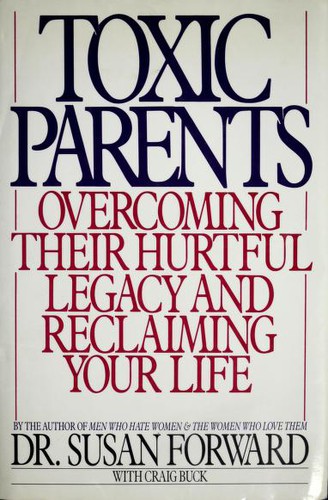
Chantaje EmocionalEmotional Blackmail
≈ From memoryEmotional blackmail is a form of psychological manipulation where one person uses fear, obligation, or guilt (FOG) to control another's behavior and erode their autonomy.
In one sentence
Emotional blackmail is a coercive communication style where a person uses the other's feelings of guilt, obligation, or fear to force them to comply with a demand, effectively stripping the victim of their personal agency.
Why read this (and who it's for)
This book is for anyone who feels "smothered," "guilt-tripped," or "trapped" by the demands of family members, romantic partners, or even coworkers. It solves the problem of why you feel so responsible for other people's emotions and provides a roadmap to stop being a "hostage" to their demands. After reading, you will be able to identify the specific mechanics of manipulation, set firm boundaries without feeling like a "bad" person, and stop the cycle of self-sacrificing to appease others.
The big idea
Forward argues that emotional blackmail is not a personality quirk; it is a systematic method of control. It functions by creating a "hostage situation" where the victim is forced to choose between their own needs and the emotional stability of the manipulator. The manipulator creates a sense of crisis—usually involving their own feelings of hurt, abandonment, or distress—to ensure the victim complies.
The core of the problem lies in the "FOG": Fear, Obligation, and Guilt. The manipulator uses Fear (fear of abandonment, fear of anger, fear of being a "bad" person), Obligation (the "you owe me" feeling), and Guilt (the "I'd feel so bad if I didn't do this" feeling). By weaponizing these three emotions, the manipulator bypasses your logic and targets your conscience.
The book asserts that the only way to break this cycle is to stop reacting to the emotional content of the demand and start reacting to the actual request. You must learn to see the manipulation for what it is: an attempt to control you, and you must choose to prioritize your own integrity over the manipulator's temporary comfort.
Key ideas
The FOG (Fear, Obligation, Guilt)
- What it is — The three emotional levers used to compel behavior. Fear of the other person's reaction, the sense of obligation to "do the right thing," and the crushing guilt of hurting someone else.
- Why it matters — Recognizing these as tools of manipulation allows you to "de-personalize" the attack. Instead of thinking "I am a bad person," you can think "This person is using guilt to get what they want."
- In the book — Forward describes how a parent might use the "Fear" of a child's disappointment to force them into a career path they don't want.
The Hostage Dynamic
- What it is — A metaphor for the relationship where the manipulator treats the other person's autonomy as a threat to their own needs. The victim is "held captive" by the manipulator's emotional outbursts.
- Why it matters — It shifts the perspective from "How can I make them stop being angry?" to "How can I get my freedom back?" It highlights that the manipulator's anger is a tool, not a reason for you to change.
- In the book — The author illustrates how a spouse might "punish" the other with silence or withdrawal to force compliance, creating a hostage situation where the victim feels they must "rescue" the manipulator.
The "Duty" Trap
- What it is — The internalized belief that we are responsible for the happiness of others, especially family members. This is the "Obligation" part of FOG.
- Why it matters — Most emotional blackmail works because we have been socialized to believe that "good" people put others first. Breaking this requires realizing that you are not responsible for another adult's emotional reactions.
- In the book — Forward discusses how "over-functioning" for others (doing for them what they can do for themselves) creates a cycle of dependency and blackmail.
Identifying the "Demand" vs. the "Emotion"
- What it is — The ability to strip away the screaming, crying, and guilt-tripping to see what the person actually wants.
- Why it matters — It allows you to respond to the request (e.g., "Can you help me with this?") rather than the emotionality (e.g., "You're so selfish for not helping me!").
- In the book — The author suggests looking for the "hidden" request. If someone says, "I'm so lonely, you never visit," the hidden request is "Please come visit."
The Cost of Compliance
- What it is — The realization that every time you give in to a blackmailer, you reinforce their behavior and erode your own self-esteem.
- Why it matters — It frames "saying no" as an act of self-preservation and integrity. Compliance feels like peace in the short term but leads to resentment and loss of self in the long term.
- In the book — Forward highlights how "giving in" actually feeds the blackmailer's need for control, ensuring the behavior will repeat.
Frameworks & tools
The "FOG" Diagnostic
Use this to identify when you are being manipulated. When someone makes a demand, ask yourself:
- Fear: Am I afraid of their reaction (anger, silence, crying)?
- Obligation: Do I feel like I "should" do this because of our relationship?
- Guilt: Am I doing this just to stop them from feeling bad? If the answer to any of these is "Yes," you are likely being blackmailed.
The "Request" Extraction Method
When a blackmailer is in a "meltdown" or using heavy emotional language, use this 3-step process:
- Identify the Emotion: Acknowledge the feeling without taking responsibility for it. ("I can see you're very upset.")
- Strip the Emotion: Mentally remove the guilt-tripping and the "you" statements.
- Identify the Request: Find the actual action requested. ("You're asking if I can come over tonight.")
- Respond to the Request: Answer the request with a "Yes" or "No" based on your own capacity, not their emotional intensity.
The Boundary Script
When you need to say no to a blackmailer, use these three components:
- The "No": A clear, firm statement of what you will not do.
- The Reason (Optional): A brief explanation of your own needs (not an apology).
- The Alternative: A way to help that doesn't involve you sacrificing your boundaries. Example: "I can't come over tonight because I need to rest, but I can help you look at those papers over the phone tomorrow."
Memorable examples & stories
The "Guilt-Tripping" Parent
A parent who constantly reminds their adult child of how much they sacrificed for them, using that "debt" to demand the child stay in the same town. Lesson: You cannot repay a debt of love with your own autonomy; the "debt" is a tool of control.
The "Victim" Spouse
A spouse who refuses to work or take responsibility, instead using their "helplessness" to make the other partner do everything, then criticizing them for doing it "wrong." Lesson: Emotional blackmail often hides behind a mask of incompetence or victimhood.
The "Silent Treatment"
A partner who shuts down and refuses to speak for days to punish the other for a perceived slight, forcing the other to "beg" for forgiveness. Lesson: Silence is a weapon of control, not a communication style.
Key quotes
"Emotional blackmail is a way of saying, 'I will make you feel so guilty that you will do what I want.'" Why it matters: It strips away the complexity of the behavior to show the core intent: control.
"You are not responsible for other people's feelings." (Paraphrased) Why it matters: This is the foundational rule for breaking the FOG.
"The goal of the blackmailer is to make you feel like you are the one who is being unreasonable." (Paraphrased) Why it matters: It highlights the "gaslighting" element of emotional blackmail—the way it flips the script to make the victim feel like the aggressor.
How to apply it
This week
- Identify your "FOG" triggers: Write down three times in the last week you felt "guilty" or "obligated" to do something you didn't want to do. Who was involved?
- The "Request" Audit: The next time someone asks you for something with a heavy emotional load (e.g., "How can you say no to me?"), stop. Identify the actual request (e.g., "They want me to do X").
- Practice the "No": Say "No" to one small, insignificant request that you usually say "Yes" to out of habit or guilt. Observe how it feels to hold your boundary.
Ongoing
- The "Pause" Rule: When you feel the "FOG" rising, do not respond immediately. Wait 10 minutes. Ask: "Am I saying yes because I want to, or because I'm afraid of their reaction?"
- Stop "Over-functioning": Identify one area where you do for others what they can do for themselves. Stop doing it. Let them experience the natural consequences of their own choices.
- Internalize your Autonomy: Regularly remind yourself: "I am responsible for my own life. I am not responsible for anyone else's emotional reactions to my boundaries."
Common pitfalls
- The "Nice" Trap: Many people struggle because they equate "being nice" with "complying." Forward argues that being "nice" means being honest and respectful, while "complying" is often just a way to avoid conflict.
- The "Rescuing" Impulse: You might think you are being helpful by giving in, but if the other person is using blackmail, you are actually reinforcing their behavior. You aren't "saving" them; you're enabling the cycle.
- Expecting the Blackmailer to Change: You cannot "fix" the other person. You can only change your response to them. If you expect them to suddenly become reasonable, you will be disappointed. The goal is your freedom, not their transformation.
Connects to
- Boundaries (Cloudy, etc.): While Forward focuses on the manipulation of the other, boundary-focused books often focus on the internal construction of the self.
- Attached (Amir Levine): Helps explain the anxiety and attachment styles that often drive the "Fear" component of FOG.
- The Disease to Feel (Corey, etc.): Explores the emotional intelligence required to handle high-conflict personalities.
If you remember only three things
- Emotional blackmail uses Fear, Obligation, and Guilt (FOG) to bypass your logic and control your actions.
- You are not responsible for the emotional reactions of others when you set a healthy boundary.
- To break the cycle, you must separate the emotion from the request and respond only to the actual request.
Internalize it
-
Reflection questions
- Who in my life consistently makes me feel "guilty" for having my own needs?
- What is the "Fear" I am currently experiencing in my relationships? (Fear of anger? Fear of being alone? Fear of being judged?)
- When I say "Yes" to others, am I doing it because I want to, or because I'm trying to manage their emotions?
- What would my life look like if I stopped trying to "save" people from their own feelings?
-
Flashcards Q: What are the three components of FOG? A: Fear, Obligation, and Guilt. Q: What is the "Hostage Dynamic"? A: A situation where a person's autonomy is treated as a threat to the manipulator's needs, forcing the victim to comply to keep the peace. Q: How do you separate the emotion from the request? A: Identify the emotional language (guilt-tripping), strip it away, and find the actual action being asked for. Q: Why is "over-functioning" a problem? A: It creates a cycle of dependency and allows the blackmailer to continue using manipulation because the victim is doing the work for them. Q: What is the primary goal of an emotional blackmailer? A: To control the other person's behavior by making them feel responsible for the blackmailer's feelings.