The one minute apology
≈ From memoryEffective leadership is built on the foundation of sincere, immediate, and accountability-driven apologies that repair trust and restore team cohesion.
In one sentence
True leadership requires the humility to admit mistakes quickly and sincerely, using a structured "one-minute" approach to repair relationships and maintain organizational integrity.
Why read this (for who it's for)
Most leaders struggle with the "ego trap"—the belief that apologizing is a sign of weakness. This book solves the problem of eroded trust and lingering resentment in teams caused by unaddressed mistakes. It is for managers, team leads, and anyone in a position of influence who wants to move from a "defensive" leadership style to a "relational" one. After reading, you will be able to navigate conflict without bruising your ego and restore credibility after a professional blunder.
The big idea
Blanchard argues that the greatest barrier to effective leadership is often the leader's own pride. When a leader makes a mistake—whether it’s a missed deadline, a harsh word, or a poor strategic decision—and fails to apologize, they create a "trust deficit." This deficit acts as a silent tax on every future interaction, slowing down communication and lowering morale.
The central thesis is that an apology isn't a surrender; it is a strategic tool for leadership. By mastering the "One Minute Apology," a leader can stop a mistake from becoming a permanent stain on their reputation. The logic is simple: people don't expect perfection, but they do demand accountability. When you own a mistake, you actually increase your authority because you demonstrate the security of a leader who doesn't need to be "right" to be effective.
Key ideas
The Ego Trap
The Ego Trap is the psychological barrier where a leader feels that admitting a mistake will diminish their authority or make them look incompetent. Blanchard argues that this is a self-defeating trap: by trying to protect your image, you actually destroy the trust required to lead. Why it matters: If you stay trapped in your ego, your team will stop being honest with you, and your influence will dwindle as people begin to "manage up" rather than contribute honestly. In the book: Blanchard discusses how leaders often "explain away" their mistakes with justifications, which the listener perceives as excuses, further damaging the relationship.
The Difference Between an Explanation and an Apology
An explanation tells the "why" behind a mistake (the circumstances), while an apology takes ownership of the "what" (the impact). Many leaders think they are apologizing when they are actually just providing a list of reasons why the mistake happened. Why it matters: Explanations often sound like excuses. If you provide an explanation before an apology, the listener feels you are trying to dodge responsibility. In the book: The author emphasizes that an apology must be unconditional. You must own the result before you explain the context.
The Impact on the Listener
A true apology is not about the words you say; it is about how the other person feels. Leadership is about influence, and influence is rooted in how others perceive your sincerity. Why it matters: If the person you are apologizing to doesn't feel "heard" or "seen," the apology failed. You must measure the success of an apology by the restoration of the relationship, not by your own relief at saying the words. In the book: Blanchard highlights that a "non-apology" (e.g., "I'm sorry if you felt that way") shifts the blame to the listener's reaction rather than the leader's action.
The Speed of Apology
The "One Minute" refers to the importance of timing. The longer a mistake lingers without an acknowledgment, the more it festers into a systemic issue of distrust. Why it matters: Delaying an apology allows resentment to build. A quick, sincere apology can "reset" the clock on a mistake before it becomes a permanent part of the team's culture. In the book: The author stresses that the best apologies are immediate. Waiting for the "perfect" moment often leads to the "wrong" moment.
Accountability as a Culture
Leadership is not just about individual acts; it is about creating a culture where everyone feels safe to admit mistakes. When a leader apologizes, they give the team "permission" to be honest. Why it matters: A culture of perfectionism is a culture of hidden errors. A culture of accountability is a culture of growth. In the book: Blanchard explains that when a leader models vulnerability by apologizing, it creates a "psychologically safe" environment where employees can admit their own errors without fear of retribution.
Frameworks & tools
The One Minute Apology Framework
Use this 4-step sequence to deliver a sincere apology that restores trust without over-explaining.
- Acknowledge the Mistake: State clearly what you did wrong. Do not use "if" or "but."
- Example: "I missed the deadline on the project report." (Not: "I'm sorry if the report was late.")
- Validate the Impact: Acknowledge how your mistake affected the other person or the team.
- Example: "I realize this caused the team to stay late and created extra stress for everyone."
- Offer a Solution/Correction: State what you are doing to fix it or ensure it doesn't happen again.
- Example: "I have reorganized my calendar to ensure I have a buffer for future reports."
- Ask for Forgiveness/Feedback: Give the other person the floor to express their thoughts.
- Example: "I'm sorry for the oversight. Is there anything else I can do to make this right?"
The "No-Excuse" Audit
Before you apologize, run your intended statement through this checklist to ensure you aren't hiding behind excuses:
- Did I say "I'm sorry" or "I apologize"?
- Did I avoid the word "but"?
- Did I identify the specific action I took?
- Did I acknowledge the specific impact on the other person?
- Did I offer a concrete "next step" to prevent a recurrence?
Memorable examples & stories
The "Explanation" Trap
Blanchard describes a leader who apologized for a late shipment but spent three minutes explaining the logistics of the warehouse delay. The client felt the leader was still making excuses, and the apology was ignored. Lesson: The "Why" (the reason) should only come after the "What" (the apology) has been fully accepted.
The Culture of Fear
The author shares examples of organizations where employees were afraid to admit mistakes because the leadership never apologized for their own. This led to "silent failures" where problems grew until they became catastrophes. Lesson: Leadership vulnerability is the only way to create a culture of honesty.
The Power of "I'm Sorry"
Blanchard highlights how a simple, unadorned "I'm sorry" from a high-level executive can instantly de-escalate a tense boardroom atmosphere. It signals that the leader is human and reachable. Lesson: Sincerity is often more effective than a polished, corporate-approved script.
Key quotes
"An apology is not a sign of weakness; it is a sign of strength and self-awareness." Why it matters: It reframes the internal struggle of the leader who fears looking "soft."
"The most important part of an apology is the impact on the other person, not the intent of the speaker." (Paraphrased) Why it matters: It shifts the focus from your internal feelings to the external reality of the relationship.
"A leader who cannot apologize cannot lead, because they cannot admit they are wrong, and therefore cannot learn." (Paraphrased) Why it matters: It links the ability to apologize directly to the ability to grow and lead effectively.
How to apply it
This week
- The "Audit" Exercise: Identify one minor mistake you made this week (a late email, a forgotten task). Write out a "One Minute Apology" for it.
- The "No-But" Rule: In your next conversation, if you find yourself saying "I'm sorry, but...", stop yourself. Remove the "but" and the explanation. Just say the apology.
- Active Listening: When someone expresses a grievance to you, do not defend yourself. Listen until they are finished, then acknowledge their feeling before responding.
Ongoing
- The 24-Hour Rule: If you realize you've made a mistake or hurt a colleague's feelings, commit to apologizing within 24 hours. Do not let it sit.
- Model Vulnerability: When you make a mistake in a meeting, admit it publicly. Show your team that it is safe to be imperfect.
- The Impact Check: After every apology, ask yourself: "Did they feel heard?" If not, you need to focus more on validating their experience.
Common pitfalls
- The "Non-Apology": Many leaders say, "I'm sorry you feel that way." This is a trap. It blames the other person's feelings rather than your actions.
- The Over-Explanation: Trying to justify the mistake before the apology is accepted. This feels like a defense mechanism, not a repair mechanism.
- The "One-Time" Apology: Apologizing but not changing the behavior. An apology without a change in behavior is just manipulation.
- The "Self-Flagellation" Trap: Over-apologizing to the point where you become a martyr. You don't need to beat yourself up; you just need to take responsibility and move forward.
Connects to
- "Dare to Lead" by Brené Brown: Extends the idea of vulnerability as a prerequisite for courageous leadership.
- "Extreme Ownership" by Jocko Willink: Challenges the "softness" of apology by framing it as the ultimate form of personal responsibility.
- "The 7 Habits of Highly Effective People" by Stephen Covey: Connects to the "Seek first to understand" principle, which is essential for validating the impact of a mistake.
If you remember only three things
- Apologies are leadership tools, not signs of weakness.
- Impact matters more than intent. Focus on how the other person felt, not what you meant to do.
- The "One Minute" rule: Be quick, be clear, and avoid the "but" of excuses.
Internalize it
-
Reflection questions
- When was the last time I made a mistake and didn't apologize? What was I afraid would happen if I did?
- Do I tend to lead with "Explanations" (why it happened) rather than "Apologies" (what I did)?
- How does my team's reaction to my mistakes affect their willingness to be honest with me?
- If I were a member of my team, would I feel that my leader's apologies are sincere or just "damage control"?
-
Flashcards Q: What is the "Ego Trap" in leadership? A: The belief that admitting a mistake will diminish your authority, which actually leads to a loss of trust and influence.
Q: What is the difference between an explanation and an apology? A: An explanation focuses on the "why" (circumstances), while an apology focuses on the "what" (the action and its impact).
Q: What is the "One Minute" rule? A: The importance of apologizing quickly to prevent resentment from festering and to reset the trust-building process.
Q: How should you measure the success of an apology? A: By the impact on the listener and the restoration of the relationship, not by your own relief.
Q: What is the "No-But" rule? A: Removing the word "but" from an apology to ensure you aren't making excuses for your mistake.
Q: Why is a "non-apology" (e.g., "I'm sorry you feel that way") ineffective? A: Because it shifts the blame to the listener's reaction rather than the leader's behavior.
Q: How does a leader's apology affect team culture? A: It creates "psychological safety," allowing team members to be honest about their own mistakes without fear of punishment.
Fidelity note
I have a high level of confidence in the core principles of this summary, specifically the distinction between explanation and apology, the "Ego Trap," and the importance of impact over intent. These are the hallmarks of Blanchard's leadership philosophy. However, because this is a summary of a specific "One Minute" framework, the exact wording of the 4-step sequence may vary slightly in the text compared to this distilled version. Readers should verify the specific "Next Step" examples in the book to ensure they align with their specific industry.
More from Kenneth H. Blanchard
 Go team!Kenneth H. Blanchard
 Great leaders growKenneth H. Blanchard
 Gung ho!Kenneth H. Blanchard
 Lead Like JesusKenneth H. Blanchard
 Leadership smartsKenneth H. Blanchard
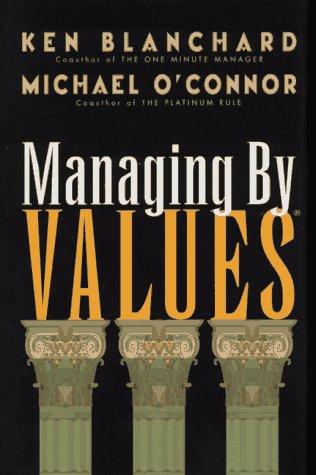 Managing by valuesKenneth H. Blanchard
 Raving fansKenneth H. Blanchard
 The heart of a leaderKenneth H. Blanchard
 The One Minute ManagerKenneth H. Blanchard and Spencer Johnson
 The servant leaderKenneth H. Blanchard
 Whale done!Kenneth H. Blanchard