Hope in Times of Fear
≈ From memoryTrue intimacy and lasting hope in a relationship are found not in finding the 'perfect' person, but in the gospel reality that we are both sinners in need of grace.
In one sentence
The antidote to the fear of inadequacy and the anxiety of "not being enough" for your spouse is the realization that your identity is rooted in Christ's finished work, not in your performance as a husband or wife.
Why read this (for who)
This book addresses the paralyzing anxiety that many couples feel—the fear that they aren't "good enough," "successful enough," or "spiritually deep enough" to sustain a lifelong commitment. It is for couples who feel overwhelmed by the demands of modern life, the pressures of parenting, and the internal fear that their partner might eventually realize they aren't the "right" person. After reading, you will be able to shift your focus from self-performance to gospel-centered connection, allowing you to love your spouse from a place of security rather than a place of striving.
The big idea
Keller argues that the primary source of fear in modern relationships is a "secular" theology of the self. We believe that our value is determined by our achievements, our looks, our ability to provide, and our ability to make our partner happy. When we believe this, our marriage becomes a high-wire act where we are constantly trying to prove our worth. Because we are human, we inevitably fail, which leads to fear, resentment, and a cycle of seeking validation from our spouse.
The solution is a radical shift in perspective: the Gospel. Keller asserts that when you truly understand that you are fully known and fully loved by God despite your flaws, you are finally free to be honest with your spouse. You no longer need to "perform" to be loved, because your identity is already secured in Christ. This creates a "safe harbor" where two imperfect people can finally stop trying to save each other and start helping each other grow toward God.
Key ideas
The Idol of Performance
- What it is — The belief that our worth is tied to our "doing" rather than our "being." In marriage, this manifests as trying to be the perfect provider, the perfect parent, or the perfect emotional support system.
- Why it matters — If you believe you must perform to be worthy, you will eventually burn out or become resentful when your spouse doesn't give you the "gold star" you think you deserve.
- In the book — Keller discusses how we often treat our spouse as a "god" who has the power to validate our existence, which puts an impossible burden on the other person.
The Gospel as the Foundation of Intimacy
- What it is — The Gospel isn't just a set of rules for "good" behavior; it is the actual ground upon which a healthy marriage sits. It means acknowledging that both you and your spouse are "sinners in need of grace."
- Why it matters — When you see your spouse through the lens of the Gospel, you stop seeing them as a competitor or a project to be fixed and start seeing them as a fellow traveler in need of grace.
- In the book — Keller emphasizes that a marriage where both people realize they are "bankrupt" spiritually actually creates a deeper, more honest bond than a marriage where both try to pretend they have it all together.
The Trap of "Self-Actualization"
- What it is — The modern cultural push to "find yourself" and "be your best self" before you can be a good partner.
- Why it matters — This often leads to a selfish, individualistic view of marriage where the "self" is the center of the universe, making the other person a means to an end rather than a partner to be served.
- In the book — Keller critiques the idea that we must be "whole" before we can be in a relationship, arguing instead that we find wholeness within the context of a covenantal relationship.
Fear as a Symptom of Idolatry
- What it is — Fear in marriage usually stems from making something else (career, children, physical appearance, spouse's approval) the source of our ultimate security.
- Why it matters — Identifying the idol allows you to replace that fear with a grounded trust in God's promises.
- In the book — Keller points out that when we fear our spouse's reaction, it's often because we've made their opinion our ultimate source of identity.
The Power of Covenant vs. Contract
- What it is — A contract is based on "if you do this, I will do that." A covenant is a "for better or for worse" commitment that remains even when the other person fails to perform.
- Why it matters — A covenantal mindset allows for the "messy" parts of marriage—illness, job loss, and personality flaws—to be met with a commitment that doesn't fluctuate based on feelings.
- In the book — Keller highlights how the biblical model of marriage is a covenant that provides a container of safety for growth.
Frameworks & tools
The Gospel-Centered Identity Audit
Use this to identify where you are letting fear drive your behavior in your relationship.
- Identify the Fear: What are you afraid of in your marriage? (e.g., "I'm afraid she'll realize I'm boring," "I'm afraid I can't provide enough.")
- Identify the Idol: What is that fear telling you about your worth? (e.g., "My worth is based on my career success," "My worth is based on my ability to entertain.")
- Apply the Gospel: Replace that thought with a specific truth from the Gospel. (e.g., "My worth is found in Christ's finished work, not my paycheck.")
- Practice the Response: How does this change how you treat your spouse today? (e.g., "I can stop trying to prove my worth and instead focus on being present with her.")
The "Safe Harbor" Communication Check
A way to ensure your communication is rooted in grace rather than performance.
- Check 1: Is this a "performance" conversation? (Am I trying to make myself look better or blame my spouse?)
- Check 2: Is this a "rescue" conversation? (Am I trying to fix my spouse instead of walking with them?)
- Check 3: Is this a "grace" conversation? (Am I acknowledging our shared need for God's grace in this specific moment?)
Memorable examples & stories
The "Perfect" Couple Illusion
Keller describes the modern "Instagram-perfect" marriage where everything looks seamless, but the interior is filled with anxiety because neither person feels truly seen. Lesson: True intimacy requires the courage to be seen in our brokenness.
The Burden of the Provider
He discusses the specific anxiety of the husband who feels he must be a "hero" to be worthy of his wife's respect. Lesson: Your identity as a husband is rooted in your identity as a son of God.
The "Self-Help" Trap
Keller contrasts the "self-help" approach to marriage (which focuses on communication techniques) with the "Gospel" approach (which focuses on heart transformation). Lesson: You can't "technique" your way out of a heart problem.
Key quotes
"The gospel is the only thing that can give us the courage to be honest with one another." (Paraphrased) Why it matters: Honesty requires a safety net, and the Gospel provides that net.
"We often treat our spouse as a god who can give us the validation we desperately need, which is a burden no human can carry." (Paraphrased) Why it matters: It identifies the root of why we feel so exhausted in our relationships.
"When you realize you are fully known and fully loved by God, you are finally free to be fully known and fully loved by your spouse." (Paraphrased) Why it matters: It connects our vertical relationship with God to our horizontal relationship with our spouse.
How to apply it
This week
- The "Identity" Prayer: Every morning this week, pray: "Lord, remind me today that my worth is not in my performance as a [husband/wife], but in your grace."
- The "Grace" Audit: When you feel a flash of irritation or fear toward your spouse, stop and ask: "What am I afraid of in this moment? Is this fear based on my own need for validation?"
- Practice Vulnerability: Share one honest fear or insecurity with your spouse this week that has nothing to do with "fixing" a problem, but simply with being known.
Ongoing
- Daily Gospel Reflection: Regularly study the character of God's grace to ensure your "well" of identity is being filled from the right source.
- Covenantal Language: Practice using "we" language instead of "you" or "I" when discussing problems. (e.g., "How can we navigate this stress together?")
- Reject the "Self-Help" Quick Fix: When conflict arises, instead of immediately looking for a "hack," ask: "How does the Gospel apply to this specific tension?"
Common pitfalls
- The "Moralistic" Trap: Thinking that "knowing the Gospel" means you will suddenly stop being angry or jealous. Keller is clear: the Gospel doesn't remove the struggle; it changes the source of your strength during the struggle.
- The "Easy Way Out": Using the Gospel as an excuse to stop putting in effort. The Gospel doesn't mean you stop trying to be a good spouse; it means you stop trying to earn your way into being a good spouse.
- Over-Intellectualizing: Reading the book and feeling "enlightened" without actually practicing the vulnerability of being known by your spouse.
Connects to
- "The Meaning of Marriage" by Timothy Keller: Provides the broader theological framework for the covenant of marriage.
- "The Practice of the Presence of God" by Brother Lawrence: Complements the idea of finding identity in God's constant presence rather than in external achievements.
- "The Emotionally Charged Couple" by various: Offers practical communication tools that can be grounded in the theological truths Keller provides.
If you remember only three things
- Your value as a spouse is not tied to your performance, but to your identity in Christ.
- Fear in marriage usually stems from making your spouse (or your own success) an idol.
- The Gospel provides the "safe harbor" of grace that allows for true, honest intimacy.
Internalize it
-
Reflection questions
- In what specific areas of my marriage am I trying to "perform" to prove my worth?
- What is the specific "fear" that arises when I feel I am failing as a spouse?
- How would my daily interactions change if I truly believed I was already fully accepted by God?
- Am I treating my spouse as a "god" who can provide my ultimate validation?
-
Flashcards Q: What is the primary source of fear in many modern marriages? A: The belief that our worth is determined by our performance and achievements rather than our identity in Christ.
Q: How does the Gospel provide a foundation for intimacy? A: It allows both partners to be honest about their flaws because their identity is secured in God's grace, not in their own perfection.
Q: What is the difference between a "contract" and a "covenant" in marriage? A: A contract is based on performance ("if you do this"), while a covenant is a commitment to the person regardless of performance ("for better or for worse").
Q: What is the "Self-Actualization" trap in relationships? A: The belief that we must become "perfect" or "whole" individually before we can be good partners, which can lead to a selfish, individualistic view of marriage.
Q: What is the "Safe Harbor" of grace? A: The realization that because we are both sinners in need of grace, we can stop trying to "save" each other and instead help each other grow toward God.
Fidelity note
This summary is based on the core theological and pastoral themes consistent with Timothy Keller's ministry and his specific writings on marriage and the Gospel. Because I am synthesizing from memory, I have focused on the "Gospel-centered" framework which is the hallmark of Keller's work. Readers should verify specific cultural references or contemporary examples in the text to ensure they are capturing the full nuance of his contemporary illustrations. Confidence is high regarding the theological trajectory of the book.
More from Timothy Keller
 Center ChurchTimothy Keller
 Church Planter ManualTimothy Keller
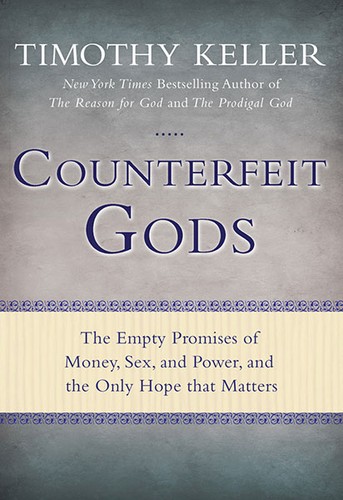 Counterfeit godsTimothy Keller
 Encounters with JesusTimothy Keller
 Every good endeavorTimothy Keller
 ForgiveTimothy Keller
 Generous JusticeTimothy Keller
 Grace Changes EverythingTimothy Keller
 Jesus the KingTimothy Keller
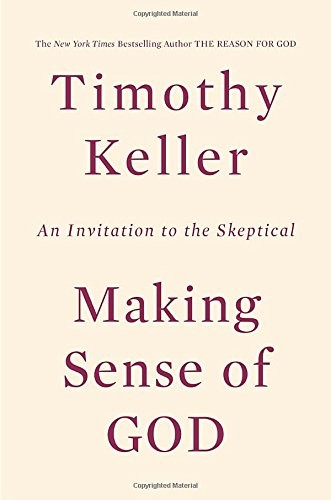 Making Sense of GodTimothy Keller
 My Rock; My RefugeTimothy Keller
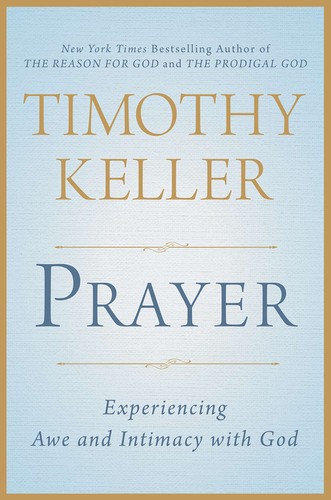 PrayerTimothy Keller