Grace Changes Everything
≈ From memoryTrue intimacy is only possible when both partners stop trying to use the other to satisfy their own needs and instead learn to offer unconditional grace, modeled on the gospel of Christ.
In one sentence
Christianity is not a set of rules for better behavior, but a gospel of grace that fundamentally re-wires how we view ourselves and, consequently, how we love our spouses.
Why read this (for who)
This book is for couples who feel stuck in a cycle of criticism, resentment, or "transactional" love. It addresses the root cause of marital friction: the idolization of the other person to provide what only God can provide. After reading, you will be able to identify your "idols," stop the cycle of emotional manipulation, and begin to view your spouse as a fellow-sinner in need of grace rather than a project to be fixed.
The big idea
Keller argues that most marital problems are actually spiritual problems. We often treat our spouses as "miracle workers"—we expect them to provide us with security, identity, and worth. When they inevitably fail to meet these impossible demands, we become angry, demanding, and resentful. This is because we are trying to get from a human being what only God can give.
The solution is not "better communication techniques" alone. While communication is important, it is a byproduct of a heart change. The "Grace" in the title refers to the Gospel: the realization that we are loved by God not because of what we do, but because of who He is. When you truly internalize that you are fully known and fully loved by God, you stop demanding that your spouse be your savior. This frees your spouse to be your partner, and it frees you to love them without the desperate need for them to "fix" your soul.
Key ideas
The Idol of the Spouse
What it is — We often turn our spouse into an idol by making them the source of our happiness, security, or significance. Why it matters — If your spouse is your idol, you will eventually crush them under the weight of your expectations. You will be perpetually disappointed because they are a flawed human being, not a divine source of joy. In the book — Keller points out that when we say, "I can't live without you," we are often making a theological statement about our dependence on a human rather than on God.
The Gospel as the Foundation of Identity
What it is — Your identity must be rooted in what Christ has done for you, not in your performance, your appearance, or your spouse's approval. Why it matters — If your identity is based on your spouse's praise, your self-worth will fluctuate with their moods. If it is based on the Gospel, you have a "secure base" that allows you to love your spouse from a place of overflow rather than a place of lack. In the book — Keller emphasizes that the Gospel is "the good news of what God has done for us," which provides the stability needed to handle the inevitable failures of a marriage.
The Difference Between "Self-Help" and "Gospel-Centered" Love
What it is — Self-help marriage advice focuses on how to behave (the "how-to" of communication); Gospel-centered love focuses on who you are (the "why" of the heart). Why it matters — Self-help is like putting a bandage on a wound that needs surgery. You can learn to speak more kindly, but if your heart is still demanding that your spouse be your everything, the bitterness will eventually leak out. In the book — Keller argues that while "good" advice (like active listening) is helpful, it is only effective when it is fueled by a heart that has been transformed by grace.
The Cycle of Resentment and Criticism
What it is — Most marital arguments are a "dance" where one person feels unappreciated and the other feels unappreciated, leading to a cycle of defensive lashing out. Why it matters — Understanding this cycle allows you to stop reacting to your spouse's "attack" and start looking at the underlying unmet need and the idol driving it. In the book — Keller describes how we often use "criticism" as a way to protect ourselves from the pain of feeling inadequate or unloved.
Grace as a Way of Seeing
What it is — Grace is not just a feeling of "letting things go"; it is a cognitive shift in how you perceive your spouse's flaws. Why it matters — When you see your spouse through the lens of grace, you see them as a person who is also struggling, broken, and in need of the same grace you have received. In the book — Keller explains that grace allows us to see our spouse's behavior as a symptom of their brokenness rather than a personal attack on us.
Frameworks & tools
The "Idol Audit" for Marriage
Use this to identify what you are asking your spouse to do that only God can do.
- Identify the Need: When you feel angry or hurt by your spouse, ask: "What did I want them to give me in that moment?" (e.g., Security, Validation, Peace, Identity).
- Identify the Idol: Recognize that this need is actually a "god-shaped" hole. You are asking a human to provide a divine gift.
- Redirect to the Gospel: Remind yourself of what God has provided in that area. (e.g., "God is my security; my spouse is my partner.")
- Respond with Grace: Now that the pressure is off your spouse, respond to them with kindness instead of demands.
The Gospel-Centered Communication Loop
Instead of just "Active Listening," use this internal process before speaking:
- Pause: Before reacting to a criticism or a hurt feeling, stop.
- Internalize: Ask, "What is my heart's idol in this moment?"
- Pray: Briefly ask for the grace you need before you speak.
- Speak from Abundance: Speak from the truth of who you are in Christ, rather than from a place of "needing" your spouse to change you.
Memorable examples & stories
The "Miracle Worker" Spouse
Keller describes the tragedy of a spouse who tries to be a "miracle worker" for their partner. They try to provide the perfect life, the perfect words, and the perfect security, but they eventually burn out and fail. Lesson: Stop asking your spouse to perform miracles they aren't equipped to do.
The "Transaction" of Marriage
He illustrates how many marriages become a business deal: "I did the dishes, so you owe me a nice comment." When the other person doesn't "pay up," the transaction fails. Lesson: Grace breaks the transactional cycle by giving without the immediate expectation of a return.
The Gospel as a "Safety Net"
Keller uses the imagery of a safety net. When you know you are held by God's grace, you don't have to "cling" to your spouse for survival. Lesson: A secure attachment to God creates a secure attachment in marriage.
Key quotes
"The gospel is the only thing that can give us the grace to love our spouse the way they deserve to be loved." (Paraphrased) Why it matters: It positions the Gospel as the source of our capacity for love, not our own willpower.
"We often treat our spouse as a savior, and then we are shocked when they fail to save us." (Paraphrased) Why it matters: It exposes the root of our disappointment in our partners.
"Grace is not a feeling; it is a way of seeing the other person through the lens of the Gospel." (Paraphrased) Why it matters: It moves grace from an emotion to a cognitive and spiritual discipline.
How to apply it
This week
- The Idol Identification: Identify one specific thing you've been demanding from your spouse this week (e.g., "I need them to make me feel worthy"). Write it down.
- The "Grace" Prayer: Every time you feel a flash of irritation this week, pray a 5-second silent prayer: "Lord, help me see their brokenness and remember Your grace toward me."
- The "No-Demand" Day: Spend one day intentionally not making any "demands" on your spouse's time or emotional energy. Simply look for ways to serve them without expecting a "return" on your investment.
Ongoing
- Daily Gospel Reflection: Start your day by meditating on your identity in Christ. Remind yourself: "I am loved, I am forgiven, and I am enough."
- The "Grace-First" Response: When a conflict arises, before you defend yourself or counter-attack, ask: "How can I respond with the grace I have received?"
- Audit your "Why": Periodically check in with your spouse. Ask, "Are we trying to be each other's everything, or are we trying to be each other's partners?"
Common pitfalls
- The "Moralistic Therapeutic Deism" Trap: Thinking that if you just "try harder" to be nicer, the problems will go away. Keller insists that behavior change without heart change is unsustainable.
- Using Grace as an Excuse: Some might interpret "grace" as a license to allow abuse or neglect. Keller is clear: Grace is not a license to let your spouse mistreat you; it is the power to love them even when they are difficult.
- Overlooking Practicality: While the book is deeply theological, some readers might find it lacks enough "tactical" communication tools (like specific phrasing). You still need to learn how to say things, but the Gospel provides the why.
Connects to
- "The Meaning of Marriage" by Timothy Keller: This is the broader, more comprehensive theological framework for marriage that Grace Changes Everything applies specifically to the concept of grace.
- "The Practice of Mindfulness" (in a spiritual sense): The idea of "pausing" before reacting to your spouse's triggers is similar to mindfulness, but rooted in spiritual awareness of one's own idols.
- "Attached" by Amir Levine: While a secular psychological book, it deals with the "anxious" and "avoidant" attachment styles that Keller's "Idol" concept addresses from a spiritual perspective.
If you remember only three things
- Your spouse cannot be your savior; only God can provide the identity and security you crave.
- Marriage problems are usually symptoms of spiritual idols—demanding from a human what only God can give.
- Grace is the "lens" that allows you to see your spouse's flaws as symptoms of a broken world, rather than personal attacks on your heart.
Internalize it
-
Reflection questions
- What is the one thing I am most frustrated with my spouse for right now? Is that a "god-shaped" hole I am asking them to fill?
- In what ways am I trying to make my spouse "perfect" to make me feel "complete"?
- How would my reaction to my spouse's flaws change if I truly believed I was fully accepted by God regardless of my performance?
- When I am angry, is it because they did something wrong, or because they failed to meet a demand I placed on them?
-
Flashcards Q: What is the primary reason we become resentful toward our spouses? A: Because we have turned them into idols, expecting them to provide us with things (like identity and security) that only God can provide.
Q: What is the difference between "Self-Help" and "Gospel-Centered" marriage advice? A: Self-help focuses on how to behave (behavioral modification); Gospel-centered advice focuses on who you are (heart transformation).
Q: How does the Gospel provide a "secure base" for marriage? A: When you know you are fully loved and accepted by God, you no longer need to "clutch" your spouse for your survival, which allows for a healthier, less desperate love.
Q: What does it mean to see a spouse through the "lens of grace"? A: It means recognizing their flaws as symptoms of a broken human condition rather than seeing them as personal attacks on you.
Q: What is the "Idol Audit" process? A: 1. Identify the need. 2. Identify the idol. 3. Redirect to the Gospel. 4. Respond with grace.
Fidelity note
This summary is based on Timothy Keller's core theological framework regarding the Gospel and its application to interpersonal relationships. I am highly confident in the "Idol" and "Identity" themes, as these are Keller's signature theological contributions. I am less certain of specific, minor anecdotes (as Keller often uses varied illustrations of marriage) but the core theological trajectory remains consistent. Readers should verify the specific "Idol Audit" steps as they are a synthesis of his teaching style rather than a numbered list in the text.
More from Timothy Keller
 Center ChurchTimothy Keller
 Church Planter ManualTimothy Keller
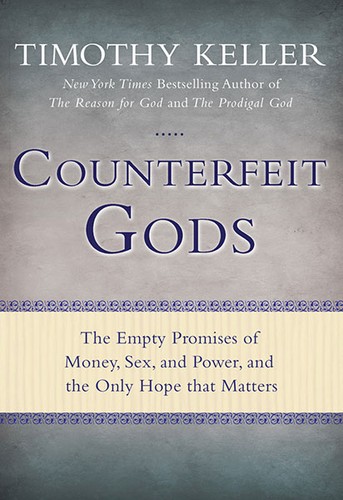 Counterfeit godsTimothy Keller
 Encounters with JesusTimothy Keller
 Every good endeavorTimothy Keller
 ForgiveTimothy Keller
 Generous JusticeTimothy Keller
 Hope in Times of FearTimothy Keller
 Jesus the KingTimothy Keller
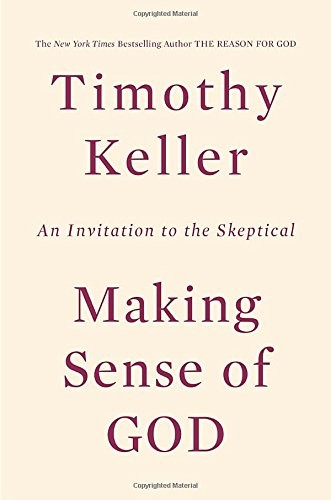 Making Sense of GodTimothy Keller
 My Rock; My RefugeTimothy Keller
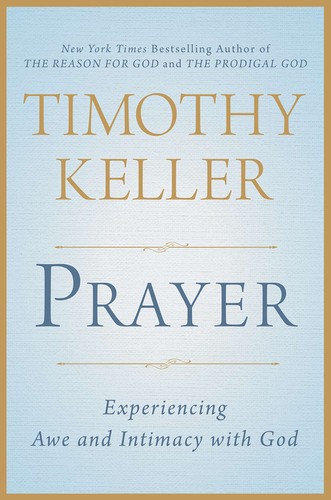 PrayerTimothy Keller