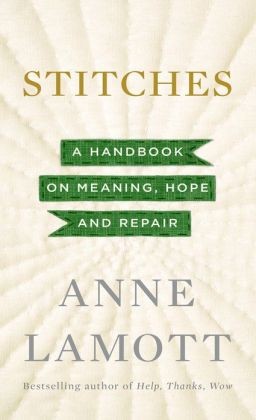
Anne Lamott — Julia Gets Wise
✓ Source-groundedTrue freedom and creative flow come from silencing the internal critic, embracing the 'inside job' of self-worth, and learning to stop trying to control others.
In one sentence
The path to a meaningful life and creative output requires silencing the internal "bad voice," recognizing that your value is an "inside job," and practicing the discipline of "Why Am I Talking?" to stop the cycle of controlling others.
Why read this (and who it's for)
This conversation is for anyone who feels paralyzed by perfectionism, overwhelmed by the need to control their children or peers, or who feels they have lost their creative spark due to life's heavy burdens. You will learn how to identify the "bad voice" in your head, establish boundaries that protect your energy, and shift from a life of external validation to one of internal peace.
The big idea
Anne Lamott argues that our greatest obstacles are often internal—the voices of shame, the need for external validation, and the compulsive urge to control our environment and the people in it. She posits that when we stop trying to "fix" others or "perfect" our output, we create the space necessary for true growth and creativity to emerge.
The logic follows a trajectory of recovery: first, you must recognize that your value is not determined by what others think of you (the "inside job"). Second, you must learn to manage the internal critic (the "bad voice"). Finally, you must apply these internal shifts to your external actions, specifically by practicing restraint in communication and choosing what to say "no" to in order to preserve your own spirit.
Key ideas
The "Inside Job" of Value
- What it is — Your worth is not an "angstrom unit" measured by the outside world; it is an internal state of being.
- Why it matters — If you believe your value comes from others, you will always be a slave to their opinions. When you realize it is an inside job, you become unshakable.
- In the book — Lamott tells her younger self: "You are so beautiful as is... you don't need to worry about anything inside of you... it is not what they think is a value in a person."
The "Bad Voice" and the Keeper
- What it is — The internal critic that tells you that "the jig is up" and that you are a fraud.
- Why it matters — You cannot defeat this voice by fighting it; you must learn to identify it, talk to it, and eventually give it a different place to go so you can get your work done.
- In the book — Lamott describes a mentor who taught her to isolate this voice of criticism and say, "Oh, it’s just you," to keep the creative work moving.
The "Why Am I Talking?" (WAIT) Rule
- What it is — A recovery tool (WAIT) used to manage the urge to control, compare, correct, or complain.
- Why it matters — It stops the "hero's journey" of trying to control others, which only serves to injure the relationship and the self.
- In the book — Lamott uses this to stop herself from trying to manage the lives of her children, realizing that "the more you offer your plans for your children, the more they need to resist you."
The "Driving at Night" Metaphor for Creation
- What it is — Writing (and creating) is like driving at night with the headlights on: you can only see a little way ahead, but you can still make the whole journey.
- Why it matters — It removes the pressure of needing to see the "end" of a project before you start. It validates the process of "crunching" and "doing" as the only way forward.
- In the book — Lamott quotes Elmore, noting that you can only see a little way in front of you, but you can make the whole journey that way.
The Power of "No" as Self-Preservation
- What it is — Shifting from a "yes" person (who agrees to things just to be liked) to a "no" person who protects their energy.
- Why it matters — Especially as we age, our energy becomes a finite resource. Saying "no" to things that are "damaging" to you is a prerequisite for staying present for the things that matter.
- In the book — Lamott explains that she now says no to trips and opportunities that are "non-stop" or "damaging" because she no longer seeks value from how others perceive her.
Frameworks & tools
The WAIT Method (Control Management)
Use this when you feel the urge to intervene, correct, or manage someone else's behavior (especially a child's or a partner's).
- Why Am I Talking? (Ask yourself this before speaking).
- Stop Comparing: Do not compare their progress to your expectations.
- Stop Correcting: Resist the urge to "fix" their immediate actions.
- Stop Complaining: Identify the feeling of frustration and sit with it rather than venting it.
- Sit Quietly: Allow the other person to experience their own struggle.
The "Driving at Night" Creative Process
Use this when you feel overwhelmed by the scale of a project (a book, a business plan, a life change).
- Lower the Scope: Stop trying to see the finish line.
- Turn on the Headlights: Focus only on the next 10 feet of the path.
- Commit to the Journey: Trust that by moving the next 10 feet, the path will continue to reveal itself.
Memorable examples & stories
The Clock Tower of Childhood
Lamott describes a moment of intense nostalgia while moving her parents into a new home. Hearing the familiar "dum dum dum" of a distant clock tower triggered a wave of "inexplicable separation anxiety." Lesson: Our memories and the "ephemera" of our shared past are deeply emotional anchors that can surface unexpectedly during transitions.
The "Hero's Journey" of Parenting
Lamott reflects on her time as a "blackbelt codependent" parent, trying to plan every move for her son who was struggling with addiction. She realized that by trying to control him, she was actually "injuring" him and herself. Lesson: The more you try to control others, the more they must resist you; let them have their own hero's journey.
The "Fraud" Voice
Lamott shares how she was taught to identify the voice that tells her she is a fraud and that "the jig is up." She learned to acknowledge the voice without letting it steer the ship. Lesson: You don't have to believe everything your internal critic says; you just have to recognize it as a recurring character in your internal narrative.
Key quotes
"Everything has happened at least once... being my age means that everything is hurt at one point or another, and I know what to do for a lot of different ailments." Why it matters: It reframes aging as a source of wisdom and "knowing" rather than just a loss of youth.
"Writing is like driving at night with the headlights on. You can only see a little ways... but you can make the whole journey that way." Why it matters: It validates the necessity of incremental progress in any creative or spiritual endeavor.
"I say no now to stuff that is just damaging to me... I do as an older woman have less energy than I used to." Why it matters: It highlights the transition from seeking external validation to internal preservation.
"It’s an inside job. You are loved and chosen as is." Why it matters: The core of self-worth is internal; no external force can truly diminish what is held within.
How to apply it
This week
- Identify your "Bad Voice": When you feel a pang of insecurity or the "fraud" feeling, stop and say, "Oh, it's just you." Label it as a separate entity from your true self.
- Practice the "WAIT" rule: Choose one situation (e.g., a conversation with a child or a coworker) where you usually offer unsolicited advice or corrections. Practice not saying anything.
- The "No" Audit: Look at your calendar for the next 14 days. Identify one thing you are saying "yes" to only because you want to be liked. Practice saying "no" to it.
Ongoing
- The Headlight Principle: When starting a daunting task, ask: "What is the next 10 feet?" Do not look at the mountain; look at the next step.
- The Inside Job Check-in: When you feel yourself seeking validation from a social media post or a peer's comment, pause and remind yourself: "This is an inside job."
Common pitfalls
- The "Yes" Trap: Many people struggle with the "yes" trap because they derive their entire identity from being helpful. Lamott warns that this is a form of self-abandonment.
- The Control Illusion: People often think they are "helping" by taking over someone else's struggle. Lamott argues that this actually "weakens" the other person by removing their opportunity to grow.
Connects to
- The Artist's Way by Julia Cameron: Specifically the idea of "finding your creative voice" and the importance of consistent practice.
- Atomic Habits by James Clear: For the practical application of the "Driving at Night" metaphor—focusing on systems (the next 10 feet) rather than just goals.
If you remember only three things
- Your value is an "inside job"; it is not determined by the outside world.
- Use the WAIT rule (Why Am I Talking?) to stop the impulse to control others.
- Creative work is like driving at night: you only need to see the next few feet to make the whole journey.
Internalize it
- Reflection questions
- When was the last time I tried to "save" someone from a struggle they needed to experience for themselves?
- What is the "bad voice" currently telling me about my capabilities?
- In what areas of my life am I saying "yes" only to be liked?
- Flashcards Q: What is the "Inside Job" of value? A: The belief that your worth is determined by your internal state and self-acceptance, not by external opinions or "angstrom units" of outside validation. Q: What does the "Driving at Night" metaphor mean for creativity? A: It means you don't need to see the end of a project to start; you only need to see the next small step (the "headlights") to make the whole journey. Q: What is the WAIT rule? A: Why Am I Talking? It is a tool to stop the urge to compare, correct, or complain, allowing others to have their own experience. Q: How does Lamott describe the "Bad Voice"? A: As a critic that says "the jig is up" and that you are a fraud; the key is to identify it and talk to it rather than letting it run your life. Q: Why is saying "no" important in the later stages of life? A: Because energy becomes a finite resource, and saying "no" to "damaging" things is necessary to preserve your energy for what matters.
Fidelity note
This summary is based strictly on the provided transcript of the conversation between Julia Louis-Dreyfus and Anne Lamott. I am confident in the representation of Lamott's core philosophies regarding "the bad voice," the "inside job" of value, and the "WAIT" rule. The summary captures the emotional core of the conversation regarding parenting and recovery. No outside information regarding Lamott's other books was included.