Angela Duckworth — Why Is Everyone Having Less Sex? | No Stupid Questions | Episode 138
✓ Source-groundedThe decline in sexual frequency is likely driven by the 'crowding out' effect of digital entertainment, the psychological impact of depression (anhedonia), and a cultural 'recoupling' of sex with emotional intimacy.
In one sentence
The decline in sexual activity is not necessarily a loss of biological drive, but a result of "crowding out" by high-engagement digital substitutes, the psychological effects of depression, and a conscious cultural shift toward prioritizing meaningful, intimate connections over casual interactions.
Why read this (and who it's for)
This summary explores the sociological and psychological shifts in human intimacy. It is for anyone interested in the "why" behind modern social trends—specifically why we seem to be becoming more isolated despite being more connected. You will learn to identify the "crowding out" effect in your own life and understand the difference between biological drive and cultural "scripts."
The big idea
The central thesis of the conversation is that human behavior is highly plastic; we are not just "animals" driven by fixed instincts, but beings whose behaviors are heavily shaped by culture, norms, and the available environment. The decline in sexual frequency is a "secular trend"—a long-term shift in the population—that predates the COVID-19 pandemic.
The argument suggests that sex is being "crowded out" by other high-engagement activities like social media, video streaming, and pornography. Furthermore, a "recoupling" of sex and love may be occurring: as the "Sexual Revolution" decoupled the two, people may now be consciously choosing to prioritize sex as a deeply intimate, meaningful experience rather than a casual, transactional one.
Key ideas
The Crowding Out Effect
- What it is — The theory that high-engagement activities (social media, streaming, gaming) occupy the time and mental space that would otherwise be spent on physical intimacy.
- Why it matters — It suggests that our "lack of sex" isn't a lack of desire, but a lack of available "bandwidth" in an era of infinite digital entertainment.
- In the book — Angela notes that while pornography is a major factor, "just being on Facebook for hours or watching old episodes of Friends" can also crowd out sex by occupying time and fulfilling the need for social connection.
Anhedonia and Depression
- What it is — Anhedonia is the inability to experience pleasure from activities one usually enjoys (food, music, sex).
- Why it matters — If depression and anxiety are rising, they may be directly suppressing sexual drive as a physiological and psychological side effect.
- In the book — Angela highlights that when you are in a depressed state, the lack of pleasure-seeking capacity naturally leads to a decrease in sexual frequency.
Cognitive Script Theory
- What it is — The idea that people internalize "scripts" from media (like pornography) and use them to navigate real-life experiences.
- Why it matters — These scripts can create unrealistic expectations, cause performance anxiety, and actually negatively correlate with the enjoyment of intimate behaviors with a partner.
- In the book — A study of 500 college men found that higher pornography use was associated with higher concerns about body image and performance, and was negatively associated with enjoying intimate behaviors with a partner.
The "Recoupling" of Sex and Love
- What it is — A theory that after a period of "decoupling" (where sex was separated from romantic commitment), society is moving toward a "conscious recoupling" where sex is viewed as an intense, intimate experience.
- Why it matters — This explains why the frequency of sex might go down while the meaning assigned to it goes up.
- In the book — Angela suggests that people may be deciding that sex shouldn't be reduced to "casual interaction" because of its intensity.
The "Bowling Alone" Parallel
- What it is — A sociological concept where individuals choose to do activities alone (like bowling) rather than in a group, leading to a decline in social trust.
- Why it matters — It serves as a metaphor for the "loneliness epidemic"—where we choose the convenience of solo activities (or solo digital consumption) over the "glue" of social trust.
- In the book — Stephen relates this to the way people now choose to stay in their own homes rather than participating in community-based social events like the old "cabin resorts."
Frameworks & tools
The Crowding Out Audit
Use this to identify what is stealing your "intimacy bandwidth."
- Identify High-Engagement Substitutes: List the activities that occupy your evenings (e.g., scrolling TikTok, binge-watching shows).
- Measure the "Crowding": Note how many hours these activities take compared to time spent on intentional connection with a partner or community.
- Create "Analog" Windows: Designate specific times where digital "substitutes" are off-limits to create space for real-world interaction.
The Cognitive Script Check
Use this to evaluate how media influences your personal expectations.
- Identify the Script: What "rules" for sex or dating have you learned from porn or social media?
- Compare to Reality: Does this script align with your actual desires, or does it create anxiety (e.g., performance pressure, body image concerns)?
- Reset the Script: Consciously choose to prioritize communication and intimacy over the "performance" scripts found in media.
Memorable examples & stories
- The 1933-1942 Generation: In the mid-20th century, 20% of men lost their virginity to a prostitute because "unpaid sex" was less available. By the 1950s/60s, that number dropped to 5% as the "supply" of consensual, pre-marital sex increased. Lesson: Cultural shifts in "supply" and social norms radically change sexual behavior.
- The Violence/TV Theory: Some argue that the rise of television in the 1950s and 60s coincided with a crime spike because it provided a "substitute" for violent behavior, while others argue it encouraged it. Lesson: Media can act as a substitute for real-world behaviors, though the causal direction is still debated.
- The "Bowling Alone" Analogy: While few people actually bowl alone, the term describes the choice to do activities solo rather than in a community. Lesson: The decline in social "glue" is a byproduct of choosing convenience over community.
Key quotes
- "The decline was not linked to longer working hours or increased pornography use... possible reasons may account for the increase in entertainment options like social media and video streaming." (Paraphrased from the Twangy study)
- "The more a user watches a particular media script, the more embedded those codes of behavior become in their worldview." (Paraphrased from Cognitive Script Theory)
- "The sexual Revolution... decoupled sex from Love... we may have seen more of a conscious recoupling." (Paraphrased by Angela)
- "Social trust is the glue that keeps the society healthy." (Paraphrased from Robert Putnam)
How to apply it
This week
- Audit your "Substitutes": Identify one social media app or streaming service that you use to "crowd out" your evening plans and set a "no-scroll" boundary for one hour before bed.
- Identify a "Recoupling" moment: If you are in a relationship, plan one activity this week that is purely about "meaningful" connection (a deep conversation, a shared meal) without any digital distractions.
Ongoing
- Practice "Social Glue": Actively seek out "community" activities (group classes, local clubs) to counteract the "Bowling Alone" trend of isolation.
- Monitor Anhedonia: Pay attention to your own levels of interest in hobbies. If you find yourself "crowded out" by a lack of interest in things you used to love, address the underlying stress or depression.
Common pitfalls
- The "Biological" Trap: Assuming humans are purely driven by biological urges. The conversation emphasizes that human behavior is highly plastic and shaped by culture and social norms.
- The "Porn-Only" Fallacy: Thinking that pornography is the sole reason for lower sexual frequency. The data suggests that "crowding out" by general entertainment (Facebook, Netflix) is a significant factor.
- The "Solitude" Misunderstanding: Thinking people want to be alone. The "Bowling Alone" point is that people often choose to not do the activity at all rather than doing it alone.
Connects to
- Bowling Alone by Robert Putnam: Explores the decline of American community life and the rise of individualistic social habits.
- The Sexual Revolution: The historical period where sex was decoupled from marriage and procreation; this conversation explores the "recoupling" that may be happening now.
If you remember only three things
- The "Crowding Out" effect: High-engagement digital entertainment (social media, streaming) is a primary competitor for our time and intimacy.
- Cognitive Script Theory: Media (pornography) provides "scripts" that can create unrealistic expectations and performance anxiety in real-life sex.
- The "Recoupling" Theory: A cultural shift may be occurring where people are intentionally choosing more meaningful, intimate sex over casual, frequent interactions.
Internalize it
- Reflection questions
- In what ways has my own "social" life been crowded out by digital substitutes?
- Do I find myself following "scripts" for relationships that I've seen in media rather than what I actually want?
- How can I foster more "social glue" in my daily routine to combat the trend of isolation?
- Flashcards
- Q: What is the "Crowding Out" effect in the context of sexual frequency?
- A: The idea that high-engagement activities like social media and streaming occupy the time and mental space that would otherwise be spent on intimacy.
- Q: What is "Anhedonia"?
- A: The inability to experience pleasure from things one usually enjoys, which can be a symptom of depression and affect sexual drive.
- Q: What is Cognitive Script Theory?
- A: The theory that people internalize behaviors from media (like porn) and use them as a blueprint for real-life experiences.
- Q: What is the "Recoupling" theory?
- A: The theory that society is moving away from the "Sexual Revolution" (decoupling sex from love) toward a more intentional, meaningful connection between the two.
- Q: What is the "Bowling Alone" analogy?
- A: A metaphor for the decline of social trust and community as people choose to do activities alone rather than in groups.
Fidelity note
This summary is grounded in the provided transcript. The "Recoupling" theory is explicitly identified by Angela as a theory and not a proven fact. The "Crowding Out" effect is presented as a primary factor in the Twangy study mentioned by Angela. The "Bowling Alone" reference is a metaphor used by the host to frame the discussion on isolation.
More from Freakonomics Radio
 223. What About All the Questions We Haven’t Answered No Stupid QuestionsFreakonomics Radio445. Why Do We Seek Comfort in the FamiliarFreakonomics Radio569. Do You Need ClosureFreakonomics Radio
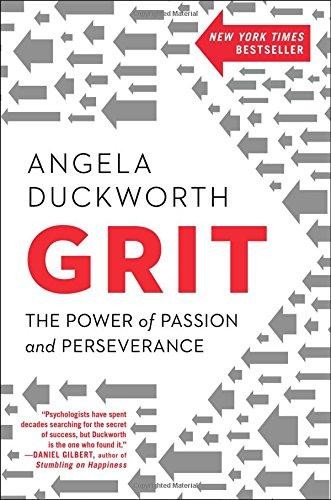 GritAngela Duckworth
 Grit The Power of Passion and PerseveranceAngela Duckworth
 Stop Doing Things the Hard Way with Dr. Angela DuckworthThe Happiness Lab