Richard J. Davidson — Cake Incident | Part 2 of The Dalai Lama's Guide to Happiness
✓ Source-groundedTrue social fitness is built through intentional, often playful, human connections that break our isolation and foster a sense of shared humanity.
In one sentence
The most vital path to happiness and mental well-being is "social fitness"—the cultivation of meaningful, authentic connections with others to counteract the epidemic of modern loneliness.
Why read this (and who it's for)
This summary is for anyone feeling the "epidemic" of modern loneliness, anxiety, or the isolating effects of a digital-first, individualistic culture. It addresses the problem of social fragmentation and provides a framework for rebuilding "social fitness" through intentional connection, even in the smallest of moments. You will learn how to move from an "I" centric existence to a "we" centered community.
The big idea
The core thesis of this conversation is that humans are fundamentally social animals. We did not become the planet's apex predators because of physical strength, but because of our unique capacity to communicate and collaborate. Consequently, our survival and happiness are inextricably linked to the quality of our relationships.
However, modern life—characterized by political polarization, individualistic consumerism, and digital isolation—is actively eroding our capacity for connection. This erosion manifests as a "loneliness epidemic" that is more dangerous to our health than obesity. To combat this, we must practice "social fitness": the deliberate cultivation of connection, empathy, and shared presence.
The Dalai Lama exemplifies this through "uncontrived compassion." He demonstrates that connection isn't always a grand, formal gesture; it is often found in the spontaneous, playful, and even "risky" moments of shared humanity—like sharing a piece of cake or a laugh in a room full of heavy, shared grief.
Key ideas
Social Fitness as Survival
- What it is — Social fitness is the ability to maintain and deepen human connections as a primary source of mental and physical health.
- Why it matters — Because we evolved to survive through collaboration, social isolation isn't just a feeling; it is a biological stressor that impacts our physical longevity and mental stability.
- In the book — Dan Harris notes that we became the apex predator not because of strength, but because of the capacity to communicate and collaborate.
The Loneliness Epidemic
- What it is — Loneliness is a measurable, devastating health risk, with research showing it is more than twofold the risk factor for mortality compared to obesity.
- Why it matters — Understanding the severity of loneliness helps us prioritize social connection as a non-negotiable pillar of health, rather than a "nice-to-have" luxury.
- In the book — Dr. Richard J. Davidson cites a study showing that 76% of Americans reported themselves to be moderately or significantly lonely.
The "We" vs. The "I"
- What it is — Individualistic cultures emphasize "I" (my experience, my pain), whereas spiritual and social health often requires a shift toward "We" (shared experience, community).
- Why it matters — Moving from "I" to "We" allows us to share the burden of pain rather than carrying it in isolation.
- In the book — Crystal McCloud explains that she felt a "loss of going from we to I" and found relief in the realization that "it's not you... you can share the parts of you that feel like the most vulnerable."
Compassion in Micro-Moments
- What it is — Compassion is often over-intellectualized as "grand operatic acts," but it is most effective in small, daily interactions.
- Why it matters — If we wait for "grand" opportunities to be compassionate, we miss the daily "micro-moments" that actually build our social muscles.
- In the book — The conversation highlights that compassion can be as simple as "holding the door open for somebody" or "feeding them a little cake."
The Power of Touch and Play
- What it is — Physical touch and playful interaction are fundamental, natural expressions of affection and connection.
- Why it matters — These actions break down barriers of formality and "serious" suffering, allowing for a shared moment of lightness.
- In the book — Dr. Davidson notes that the Dalai Lama's use of touch (holding hands, touching heads, even head-butting) is a "natural response" and a "way of expressing affection."
Frameworks & tools
The Social Fitness Protocol
To improve your social fitness, focus on these three levels of connection:
- The Significant Other (The Anchor)
- Identify at least one person you can confide in regularly. Research shows this is the baseline requirement for mental and physical health.
- The Micro-Moment (The Daily Workout)
- Look for "micro-moments" of connection with strangers: a barista, a person in an elevator, or a neighbor. These small interactions "add up to a boost in happiness."
- The Practice of Appreciation (The Circuit Builder)
- Spend 30 seconds intentionally appreciating a positive quality in someone you meet. This "activates the circuits in the brain" and changes the tenor of the encounter.
Memorable examples & stories
The Cake Incident
A young woman (Crystal) shared her profound grief over her brother's suicide. In response, the Dalai Lama broke the formal tension by sticking out his tongue, feeding her a piece of cake, and tickling her. The Lesson: Compassion can be playful and spontaneous; it is a way to hold someone's pain by refusing to let them hold it alone.
The "Apex Predator" Evolution
The realization that humans became the dominant species not through physical might, but through the ability to collaborate and communicate. The Lesson: Our sociality is our greatest evolutionary superpower; we must protect it.
The 76% Loneliness Statistic
The data point that 76% of Americans feel lonely, highlighting that loneliness is a systemic, public health crisis. The Lesson: Loneliness is not a personal failure; it is a widespread condition that requires a collective social response.
Key quotes
"We are social animals. We need each other to survive and to be happy. We evolved for social connection." — The Dalai Lama (via Dan Harris) Why it matters: It establishes the biological and evolutionary necessity of community.
"Loneliness is more than twofold the risk factor for mortality compared to obesity." — Dr. Richard J. Davidson Why it matters: It frames social connection as a literal life-saving health requirement.
"You can share the parts of you that feel like the most vulnerable and it can be held in community." — Crystal McCloud (paraphrased) Why it matters: It highlights the relief found in moving from individual suffering to communal support.
"We don't meditate to get better at meditation... The real point is to get better at the rest of your life, to be less reactive, less aggressive, and less cut off from the people around you." — Dan Harris Why it matters: It grounds the practice of mindfulness in the ultimate goal of social harmony.
How to apply it
This week
- The 30-Second Appreciation: Identify one person you will interact with today (a coworker, a cashier, a family member). Spend 30 seconds internally (or externally) acknowledging one positive quality they possess.
- The "One Person" Audit: Identify who your "significant person" is. If you feel you lack one, reach out to one person today just to say, "I've been thinking of you."
Ongoing
- Seek Micro-Moments: Actively look for "micro-moments" of connection. Don't ignore the stranger in the elevator or the barista; acknowledge them.
- Practice "We" Language: When experiencing a difficult emotion, try to frame it as a shared human experience rather than a private, isolated "I" experience.
Common pitfalls
- The "Grand Gesture" Trap: Waiting for a "heroic" moment to be compassionate. This leads to inaction. Compassion is found in the mundane.
- The "Individualist" Bias: Assuming that suffering must be handled alone. This is a cultural byproduct, not a biological necessity.
- Over-Analyzing the "Right" Way: Some listeners were skeptical of the Dalai Lama's "cake" moment. While cultural context matters, the intent of the action (to relieve suffering and create connection) is what matters most.
Connects to
- The Power of Habit (Charles Duhigg) — To understand how to turn "social fitness" into a daily habit.
- Flow (Mihaly Csikszentmihalyi) — To understand how being present in "micro-moments" can lead to a state of engagement.
If you remember only three things
- Social fitness is a health requirement: Loneliness is as dangerous as obesity; connection is your medicine.
- The "We" over "I": Shared vulnerability is the antidote to the isolation of modern life.
- Micro-moments matter: You don't need a stage to be compassionate; you just need to notice the stranger, the barista, and the neighbor.
Internalize it
- Reflection questions
- Who is the one person I can currently confide in, and when was the last time I reached out to them?
- In what ways has my "individualist" culture contributed to my feeling of isolation?
- What "micro-moments" of connection did I ignore today?
- Flashcards Q: What is "social fitness"? A: The ability to maintain and deepen human connections as a primary source of mental and physical health. Q: How does loneliness compare to obesity in terms of mortality risk? A: Loneliness is more than twofold the risk factor for mortality. Q: What is the "I" vs. "We" distinction in suffering? A: "I" is the individualist view of suffering in isolation; "We" is the realization that pain can be shared and held by a community. Q: What are "micro-moments"? A: Small, everyday interactions (like with a barista or a stranger) that can boost happiness and build social connection. Q: What is the primary goal of meditation according to Dan Harris? A: To get better at the rest of your life—to be less reactive, less aggressive, and less cut off from others.
Fidelity note
This summary is grounded in the provided transcript. I am confident in the interpretation of the "Cake Incident" and the statistics provided by Dr. Davidson. The transcript does not provide a specific "step-by-step" manual for social fitness, so the "Social Fitness Protocol" was synthesized from the specific recommendations made by Dr. Davidson and Dan Harris in the text.
More from 10 Percent Happier
 #111 — The Science of MeditationMaking Sense with Sam Harris
 A Neuroscientist’s Guide to Changing Your Brain with Dr. Richard DavidsonThe Happiness Lab
 Altered TraitsDaniel Goleman and Richard J. Davidson
 The Art of HappinessDalai Lama and Howard Cutler
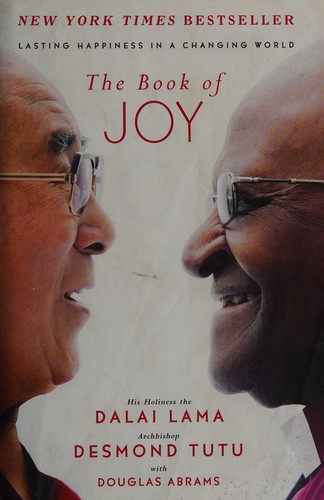 The Book of JoyDalai Lama
 The Emotional Life of Your BrainRichard J. Davidson and Christine Larson
 The Enlightened Mind Part 5 of The Dalai Lama's Guide to Happiness10 Percent HappierWise Selfishness Part 3 of The Dalai Lama's Guide to Happiness10 Percent Happier