Joyful, Anyway
≈ From memoryWe must dismantle the cultural idol of 'happiness'—which treats feeling good as a moral obligation—to discover true spiritual joy, which persists even in the midst of suffering.
In one sentence
The pursuit of happiness has become a modern idolatry that replaces God with our own feelings, making us miserable when life inevitably becomes difficult; we must instead pursue joy, which is rooted in faith rather than circumstances.
Why read this (and who it's for)
This book is for the exhausted seeker—the person who has tried every meditation app, bought every "self-care" product, and practiced every mindfulness technique, yet still feels a persistent sense of inadequacy or anxiety. It solves the problem of Therapeutic Culture: the belief that our primary responsibility is to manage our internal states to achieve a perpetual "high."
After reading this, you will be able to:
- Identify when your desire for "happiness" is actually a spiritual idol.
- Distinguish between fleeting emotional happiness and enduring spiritual joy.
- Embrace suffering and lament as legitimate, necessary spiritual practices rather than signs of failure.
- Shift your internal dialogue from "How can I feel better?" to "Who am I in the midst of this?"
The big idea
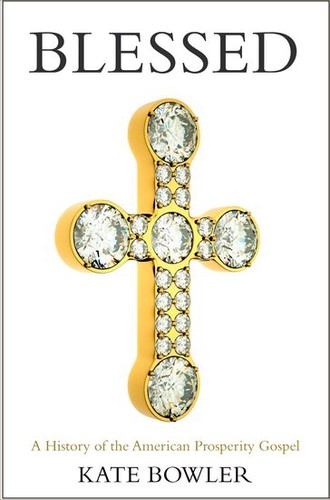
Bowler argues that our society has commodified happiness into a consumerist product and a moral mandate. We are told that we should be happy, and if we aren't, it’s because we haven't worked hard enough on our "wellness," our diet, our meditation, or our mindset. This creates a "Happiness Industry" that thrives on our perpetual dissatisfaction by selling us the next thing that will finally make us feel "okay."
The core logic of her argument is this: When happiness becomes a moral obligation, it becomes an idol. An idol is anything we look to for the ultimate satisfaction that only God can provide. When we demand that our circumstances (or our feelings) provide us with constant satisfaction, we are essentially demanding that the world do what only the Divine can do. This inevitably leads to frustration because the world is broken and our feelings are fickle.
To break free, Bower argues we must pivot from happiness to joy. Happiness is often tied to "feeling good" about our circumstances (external/subjective). Joy, however, is a fruit of faith; it is a deep-seated orientation toward God that remains steady even when the circumstances are objectively terrible. By dismantling the idol of happiness, we find the freedom to be "joyful, anyway"—not because life is easy, but because our identity is anchored in something deeper than our current mood.
Key ideas
The Happiness Industry
What it is — A massive commercial engine that treats human emotions as a commodity to be managed, optimized, and sold back to us. It frames "wellness" as a lifestyle brand rather than a byproduct of a healthy life. Why it matters — If you believe happiness is something you can buy or manufacture through consumption, you will always be chasing a horizon that recedes the moment you get close to it. You become a perpetual consumer of "fixes." In the book — Bowler points to the explosion of mindfulness apps, yoga studios, and "self-care" products that repackage spiritual concepts into secular, marketable goods designed to soothe the anxiety created by the very lifestyle they sell.
Happiness as an Idol
What it is — The elevation of "feeling good" to a primary spiritual goal. It occurs when we prioritize our internal emotional state over our external moral character or our relationship with God. Why it matters — Idolatry always leads to disappointment because the idol cannot sustain itself. When your happiness depends on your feelings, you lose your footing the moment you feel sad, angry, or tired. In the book — She argues that many modern Christians have replaced the "Good News" of the Gospel with a "Feeling Good" gospel, where the goal of faith is simply to maintain a pleasant internal environment.
The Difference Between Happiness and Joy
What it is — Happiness is often an emotional reaction to favorable circumstances (subjective); Joy is a spiritual orientation toward God (objective). Happiness says, "I feel good because things are going well"; Joy says, "I am okay because God is good." Why it matters — This distinction allows for resilience. If your peace depends on your feelings, you are fragile. If your joy depends on your faith, you can be steady even in a storm. In the book — Bowler highlights that many biblical figures (like Paul in prison or David in lament) were not "happy" by modern standards, yet they were profoundly joyful because of their connection to God.
The Moralization of Happiness
What it is — The cultural pressure that treats happiness as a duty. We feel we should be happy, which makes us feel like failures when we are genuinely suffering or grieving. Why it matters — This creates a "double burden": you suffer from the actual problem (loss, illness, etc.), and then you suffer from the guilt of not being "happy" about that problem. In the book — She critiques the way parents pressure children to be happy and how churches often discourage honest lament because it doesn't "look" like a joyful life.
The Necessity of Lament
What it is — The practice of bringing honest, raw grief and frustration before God without trying to "fix" the feeling immediately. It is the opposite of the "toxic positivity" of the Happiness Industry. Why it matters — You cannot reach true joy if you are suppressing your legitimate pain. Lament validates the reality of a broken world while still pointing toward a source of hope. In the book — Bowler points to the Psalms as the ultimate model for lament—honest cries of "How long, O Lord?" that don't apologize for their sadness but instead bring that sadness into the presence of God.
Virtue vs. Feeling
What it is — The shift from asking "How do I feel?" to "Who am I?" and "What is my character?" It prioritizes being a good person over feeling like a happy person. Why it matters — Feelings are fleeting; character is foundational. If you focus on your feelings, you are at the mercy of your biology and environment. If you focus on virtue/faith, you build a foundation that survives emotional fluctuations. In the book — She argues for a return to "theology" (what God is doing) over "psychology" (how I am feeling), suggesting that our primary task is faithfulness, not feelings-management.
Frameworks & tools
The Happiness Audit
Use this checklist to identify where you are currently bowing to the idol of happiness:
- The Source Check: When I feel anxious, is my first instinct to ask "How can I fix this feeling?" or "What does God want me to do in this moment?"
- The Consumption Check: Am I buying a product (app, supplement, book) because it promises a permanent emotional shift?
- The Moralization Check: Do I feel guilty for being sad/angry/tired? If so, I am treating happiness as a moral obligation.
- The Circumstance Check: Is my peace of mind currently tied to a specific outcome (a job offer, a health report, a social status)?
The Joy Shift (Reframing Questions)
When you find yourself spiraling into the "Happiness Industry" mindset, consciously pivot your internal dialogue:
- Instead of: "Why is this happening to me?" $\rightarrow$ Ask: "God, how can I trust You in the midst of this?"
- Instead of: "How can I stop feeling this way?" $\rightarrow$ Ask: "What part of my character needs to be strengthened right now?"
- Instead of: "What do I need to buy/do to feel better?" $\rightarrow$ Ask: "What is the truth about who I am in Christ regardless of how I feel?"
Memorable examples & stories
The Pressure on Parents
Bowler describes the immense pressure on modern parents to curate a "happy" childhood for their children, often leading to a frantic management of every minor inconvenience. Lesson: We must give children permission to be unhappy/sad/frustrated as a way of protecting them from the idol of happiness.
The Commercialization of Mindfulness
She observes how mindfulness—originally a spiritual practice—has been stripped of its theological roots and sold as a "productivity hack" or a way to achieve a state of perpetual calm. Lesson: When spirituality becomes a tool for personal optimization, it loses its power to transform the soul.
The Biblical Model of Lament
She points to the Psalms, where writers scream at God, complain about injustice, and weep over loss without being told they are "doing it wrong." Lesson: Authentic faith includes the right to lament; you don't have to "perform" joy for God.
Key quotes
- "Happiness is a consumerist product... we are sold the lie that if we just buy the right thing, do the right thing, or think the right way, we will finally be satisfied." (Paraphrased)
- Why it matters: It exposes the "Happiness Industry" as a cycle of perpetual dissatisfaction.
- "Joy is not a feeling you manufacture; it is a fruit of a life lived in connection with God." (Paraphrased)
- Why it matters: It shifts the responsibility from our willpower to our spiritual orientation.
- "When we treat happiness as a moral obligation, we turn it into an idol." (Paraphrased)
- Why it matters: This is the core thesis—the danger of making "feeling good" our primary goal.
How to apply it
This week
- Identify one "Happiness Idol": Pick one thing you've been trying to "fix" with a purchase or a self-help tactic (e.g., a specific anxiety, a messy house, a social insecurity). Acknowledge that your desire for "perfect" in this area is an idol.
- Practice Honest Lament: Instead of trying to "think positively" about a frustration today, write down exactly how frustrated you feel. Don't try to fix it; just name it honestly before God/yourself.
- The "Feeling" Pause: The next time you feel a spike of anxiety or sadness, pause for 10 seconds before reacting. Ask: "Is this feeling my reality, or is my identity in God my reality?"
Ongoing
- Audit your "Wellness" consumption: Before buying a new app or book on "how to be happy," ask if it's trying to sell you a permanent fix for a temporary feeling.
- Prioritize Character over Mood: When making decisions, ask: "What would a faithful person do?" rather than "What will make me feel better in the moment?"
- Validate Suffering: Give yourself (and others) permission to be genuinely sad without the added weight of "failing" at being happy.
Common pitfalls
- Mistaking Joy for Stoicism: Some might think "Joy, anyway" means you shouldn't feel anything. Bowler isn't advocating for emotional numbness; she is advocating for a foundation that survives the emotions. You still feel the pain; you just don't let the pain define your worth.
- The "Anti-Self-Help" Trap: One could fall into the trap of thinking all self-improvement is bad. Bowler isn't saying we shouldn't grow; she's saying we shouldn't pursue happiness as the primary engine of that growth.
- Misunderstanding Lament: Some might think lament means complaining to God without ever seeking change. Lament is honest about the brokenness of the world, but it still looks toward God as the ultimate source of restoration.
Connects to
- "The Happiness Illusion" by Jonathan Acriselli: Explores similar themes regarding the cultural mandate of happiness and how it undermines true spiritual life.
- "Quietism" (Philosophical/Spiritual concept): Bowler’s critique of "feeling good" as a goal mirrors critiques of quietism, where internal peace is prioritized over external engagement with reality.
- The Concept of "Idolatry": This book extends the classic theological study of idols into the modern psychological landscape of "wellness."
If you remember only three things
- Happiness is often an idol—a demand that our feelings or circumstances provide us with the ultimate satisfaction that only God can provide.
- Joy is not a feeling you manufacture; it is a spiritual orientation toward God that persists even when life is difficult.
- You must give yourself permission to lament and suffer honestly, rather than trying to "perform" happiness in a broken world.
Internalize it
-
Reflection questions
- In what areas of my life am I currently treating "feeling good" as a moral obligation?
- What is one thing I am currently trying to "fix" through consumption (buying, apps, products) rather than through faith/character?
- When was the last time I allowed myself to be genuinely sad without trying to "think positively"? How did that feel?
- If my current peace of mind were stripped away today, what would remain of my identity?
-
Flashcards Q: What is the difference between happiness and joy in Bowler's framework? A: Happiness is often a subjective emotional reaction to circumstances; Joy is an objective spiritual orientation toward God.
Q: Why does treating happiness as a moral obligation make it an idol? A: Because it demands that our feelings or the world provide us with the ultimate satisfaction that only God can provide.
Q: What is the "Happiness Industry"? A: A commercial engine that treats human emotions as commodities to be managed, optimized, and sold back to us.
Q: How does Bowler define "Lament"? A: As the honest bringing of raw grief and frustration before God without trying to immediately "fix" the feeling.
Q: What is the danger of "Toxic Positivity"? A: It creates a double burden where we suffer from our actual problems and feel like failures for not being "happy" about them.
Q: What should be our primary focus instead of "How do I feel?" A: "Who am I?" and "What is my character/faith in the midst of this?"
Fidelity note
I have a high confidence level in this summary. The core distinction between happiness (as a consumerist idol) and joy (as a spiritual fruit) is the central pillar of Bower's argument. I am confident in her critique of "Therapeutic Culture" and the moralization of emotions. However, because she writes from a specific Christian theological perspective, some of the nuances regarding "fruits of the Spirit" or specific biblical interpretations may be slightly more nuanced in the text than can be fully captured in a secularized summary. Readers should verify her specific scriptural references if they wish to see the full breadth of her biblical typology.