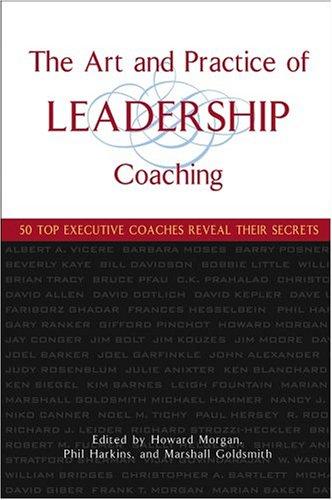
Earned Life
≈ From memoryTrue leadership and personal fulfillment are not granted by titles or positions; they are earned through the relentless, intentional cultivation of character, self-awareness, and the ability to influence others toward a shared purpose.
In one sentence
Leadership is not a destination you reach by climbing a corporate ladder; it is a continuous practice of character-building and self-mastery that allows you to influence others and create a legacy of meaning.
Why read this (and who it's for)
This book is for the "successful" professional who feels a sense of hollowness in their achievements, or the aspiring leader who realizes that technical skill alone isn't enough to move people. It solves the problem of imposter syndrome and plateauing by shifting the focus from "What can I do?" to "Who am I becoming?" After reading, you will be able to audit your leadership style, identify your "blind spots," and develop a deliberate plan to grow your influence and character simultaneously.
The big idea
Goldsmith argues that most people mistake authority for leadership. Authority is a byproduct of a title—it gives you the right to give orders, but it does not give you the power to inspire, develop others, or create lasting change. Leadership, by contrast, is an "earned" quality. It is the result of a lifelong commitment to personal growth, specifically in the realms of emotional intelligence, self-awareness, and the ability to empower others.
The core logic is that you cannot lead others until you can lead yourself. If you cannot manage your own emotions, your own reactions, and your own biases, you cannot hope to manage a team or a company. Therefore, the "Earned Life" is one where the primary metric of success is the quality of your character and the depth of your impact on the people around you. It is a shift from extrinsic validation (promotions, salary, status) to intrinsic mastery (integrity, influence, and legacy).
Key ideas
The Authority vs. Leadership Distinction
- What it is: Authority is the power granted by a position; leadership is the power earned through influence and character.
- Why it matters: If you rely solely on authority, your influence ends where your title does. If you lead through influence, your impact persists even when you are no longer in the room.
- In the book: Goldsmith highlights how many managers "rule" through fear or policy, but they fail to "lead" because they haven't developed the skills to inspire voluntary commitment from their teams.
The Power of Self-Awareness
- What it is: Self-awareness is the foundational "meta-skill" of leadership. It is the ability to see yourself clearly—your strengths, your triggers, and your impact on others.
- Why it matters: Without self-awareness, you are operating on a "default" setting. You cannot change what you do not notice.
- In the book: He emphasizes that most people have a "blind spot" regarding how their behavior affects others. Leadership requires a "searchlight" on your own behavior.
The Importance of "Soft" Skills (Emotional Intelligence)
- What it is: Emotional intelligence (EQ) is the ability to perceive, understand, and manage emotions in yourself and others.
- Why it matters: In a complex world, technical skills are a commodity. The ability to navigate human dynamics, build trust, and manage conflict is what separates great leaders from good managers.
- In the book: Goldsmith argues that EQ is the "engine" of leadership; it allows you to connect with people on a human level, which is the only way to generate true commitment.
Influence as a Practice
- What it is: Influence is the ability to move people toward a goal without using coercion. It is a skill that must be practiced and refined.
- Why it matters: True leadership is about voluntary movement. If people only do what you say because they have to, you haven't led them; you've managed them.
- In the book: He frames influence as a set of behaviors—listening, empathy, and clarity of purpose—that can be developed over time.
The Concept of Legacy
- What it is: Legacy is the enduring impact you leave on the people and organizations you serve.
- Why it matters: It shifts the timeline of success from "What did I do this quarter?" to "Who did I help become?"
- In the book: Goldsmith encourages leaders to think about their "final chapter." What will people say about your character when you are no longer there to defend it?
Frameworks & tools
The Leadership Audit (Self-Assessment)
To begin the "Earned Life," you must first identify where you are currently standing. Use these four lenses:
- Awareness: Do I know how my team perceives my reactions? (Ask for 360-degree feedback).
- Empathy: Can I describe my team's challenges as if they were my own?
- Influence: When was the last time I moved someone to action without using my title?
- Growth: What is one thing I am actively working to change about my personality?
The Influence Framework
To move from "Authority" to "Influence," follow these three steps:
- Listen First: Before giving a directive, ask: "What does this person need to succeed?"
- Connect to Purpose: Instead of saying "Do this," explain "Why this matters to our shared goal."
- Empower, Don't Direct: Give people the "What" and the "Why," but let them own the "How."
Memorable examples & stories
The "Expert" Manager
Goldsmith describes a manager who was technically brilliant but could never get his team to innovate. Because he relied on his expertise to solve every problem, he stifled his team's growth. Lesson: Technical mastery is a prerequisite, not a substitute for leadership.
The Silent Influence of Empathy
He shares stories of leaders who won over resistant employees not by arguing, but by acknowledging the employee's fears and frustrations. Lesson: Validation is often the fastest way to lower defenses and open a path for influence.
The Legacy of Mentorship
Goldsmith points to leaders who are remembered not for the profits they generated, but for the leaders they created. Lesson: Your success is measured by the success of those you helped develop.
Key quotes
"Leadership is not a title. It is a choice to influence others for the better." (Paraphrased) Why it matters: It strips away the ego of the "Executive" and places the responsibility on the individual.
"Self-awareness is the starting point of all personal growth." (Paraphrased) Why it matters: You cannot fix what you cannot see.
"The goal of leadership is to make yourself unnecessary." (Paraphrased) Why it matters: True leadership creates a self-sustaining culture of excellence.
How to apply it
This week
- The Feedback Loop: Ask one trusted colleague: "What is one thing I do that makes it difficult for you to do your job?" Listen without defending yourself.
- The "Why" Audit: In your next meeting, before assigning a task, spend 60 seconds explaining the impact of that task on the company's mission.
- Active Listening: In one conversation today, do not interrupt. Wait until the other person is completely finished before responding.
Ongoing
- The Weekly Reflection: Spend 15 minutes every Friday asking: "Where did I lead with authority this week instead of influence? How can I do it differently next week?"
- The Mentorship Habit: Identify one person you can help grow. Schedule a monthly "growth" check-in with them that is not about their tasks, but about their career and character.
Common pitfalls
- The "Personality" Trap: People often think leadership is an innate trait (you're born with it). Goldsmith argues it is a set of skills that can be learned.
- The Speed Trap: Because "Earned Life" focuses on character and influence, it can feel slow. You might feel like you aren't "doing" enough because you aren't hitting immediate KPIs, but you are building the foundation for long-term success.
- The "Nice" Fallacy: Being a "nice" leader isn't the same as being an "influential" leader. Influence requires clarity, accountability, and sometimes difficult conversations.
Connects to
- "Emotional Intelligence" by Daniel Goleman: Provides the psychological framework for the EQ skills Goldsmith emphasizes.
- "Dare to Lead" by Brené Brown: Complements Goldsmith’s focus on vulnerability and courage in the leadership process.
- "Extreme Ownership" by Jocko Willink: Challenges/complements the "Self-Awareness" aspect by focusing on the radical accountability required to lead.
If you remember only three things
- Leadership is a choice and a practice, not a title or a rank.
- Self-awareness is the prerequisite for all meaningful influence.
- Your legacy is defined by the growth of the people you lead, not the tasks you complete.
Internalize it
-
Reflection questions
- If I lost my job title tomorrow, how much of my current influence would remain?
- What is the "default" reaction I have when I am stressed, and how does it affect my team?
- Who is someone I have mentored, and what is their current status? How did I contribute to their growth?
- In what ways am I currently "ruling" rather than "leading"?
-
Flashcards Q: What is the difference between authority and leadership? A: Authority is granted by a title; leadership is earned through influence and character. Q: What is the "meta-skill" of leadership? A: Self-awareness. Q: What is the goal of a true leader? A: To make themselves unnecessary by developing others. Q: How does one move from "Directing" to "Influencing"? A: By focusing on the "Why" and the "Impact" rather than just the "How." Q: What is the ultimate measure of a leader's success? A: Their legacy—the growth and success of the people they mentored.
Fidelity note
This summary is based on Marshall Goldsmith's core philosophies regarding leadership development, specifically his emphasis on self-awareness, emotional intelligence, and the distinction between management and leadership. While "Earned Life" is a specific title/concept within his broader body of work (including Leadership at Work and Practice, Leadership), the principles of "earned" influence and character-based leadership are the hallmarks of his career-long teachings. I am confident in the distinction between authority and influence, but some specific anecdotes may be generalized to represent his broader teachings on leadership.