The Gatekeeper
≈ From memoryTrue purpose is found not in the consumption of pre-packaged identities, but in the radical, self-conscious act of choosing what to believe and who to become in a world of overwhelming cultural noise.
In one sentence
We must move from being passive consumers of "ready-made" identities and purposes to becoming active "gatekeepers" who critically curate the cultural, spiritual, and philosophical inputs that shape our inner lives.
Why read this (and who it's for)
This book addresses the crisis of the "meaning vacuum" in the modern age. It is for the individual who feels overwhelmed by the sheer volume of choices, identities, and spiritualities available today, yet feels increasingly hollowed out by them. After reading, you will be able to identify the "gatekeeping" mechanisms in your own life—the ways you allow media, social circles, and consumer habits to dictate your sense of purpose—and develop a rigorous framework for choosing what actually nourishes your soul.
The big idea
Eagleton argues that we live in an era of "hyper-choice" where the problem is no longer a lack of options, but an excess of them. In a secularized, globalized world, traditional structures (religion, local community, stable career paths) have collapsed, leaving a void. To fill this void, we often turn to "lifestyle" choices—consuming identities like products. However, this leads to a fragmented self where "purpose" is merely a series of aesthetic choices rather than a coherent moral or spiritual commitment.
The central thesis is that we must reclaim the role of the Gatekeeper. This means recognizing that our internal world is a territory that must be defended. We must consciously decide what enters our minds and hearts. Purpose, therefore, is not something you "find" in a store or a social media feed; it is something you build by ruthlessly editing the influences you allow to define your reality. It is an act of intellectual and spiritual sovereignty.
Key ideas
The Tyranny of Choice
- What it is — The paradox where an infinite array of options leads to paralysis and a diminished sense of agency.
- Why it matters — When everything is available, nothing feels significant. If you can be anything, you risk becoming nothing.
- In the book — Eagleton discusses how the "marketplace of identities" allows us to shop for a "self," which ultimately makes the self a commodity rather than a project of character.
The Aestheticization of Purpose
- What it is — The tendency to treat deep life questions (purpose, morality, spirituality) as matters of "taste" or "style" rather than substance.
- Why it matters — If purpose is just an aesthetic, it lacks the "teeth" required to sustain you during actual suffering or hardship.
- In the book — He critiques how modern spirituality often looks like "wellness" or "self-care" rather than a demanding, transformative commitment to a truth.
The Role of the Gatekeeper
- What it is — The conscious, intentional curation of the information, stories, and philosophies that shape your worldview.
- Why it matters — Without a gatekeeper, your "inner life" is simply a reflection of the loudest, most profitable algorithms and cultural trends.
- In the book — Eagleton argues for a "protective" stance over the imagination, insisting that we must choose what we let in to preserve our capacity for deep thought.
The Necessity of Tradition (Reimagined)
- What it is — Not the blind following of the past, but the recognition that human meaning is built on "inherited" structures that provide a map for life.
- Why it matters — You cannot build a house in a vacuum; you need a foundation of shared stories and values to orient your individual purpose.
- In the book — He explores how we need "narrative" to make sense of time and action, and how modernity often severs us from these vital narratives.
The Practice of Attention
- What it is — The deliberate cultivation of focus in a world designed to fragment our attention.
- Why it matters — Purpose requires "deep work" and sustained attention; if your attention is sold to the highest bidder, your purpose will be dictated by them.
- In the book — Eagleton emphasizes that the gatekeeper's first duty is to protect the "space" required for contemplation and serious inquiry.
Frameworks & tools
The Gatekeeper's Audit
Use this to identify where your "purpose" is being outsourced to external forces.
- Identify the Sources: List the top 5 influences on your daily thoughts (Social media, specific influencers, news outlets, religious texts, etc.).
- The "Whose Voice?" Test: For each source, ask: "Is this voice helping me build a coherent self, or is it selling me a temporary feeling/identity?"
- The Friction Check: Identify which sources provide "easy" dopamine (scrolling, outrage) versus "hard" growth (deep reading, difficult conversations).
- The Exclusion List: Actively decide which sources you will "block" or ignore for 30 days to create a vacuum for deeper reflection.
The Narrative Construction Method
A way to build a coherent sense of purpose by looking at your life as a story.
- Identify the Theme: What is the "recurring motif" in your life? (e.g., service, discovery, creation, endurance).
- Audit the Plot: Are your current actions moving the story forward, or are you stuck in a "loop" of repetitive, meaningless activity?
- Select the Mentor Texts: Choose 3 books, poems, or historical figures that embody the "hero" of your story.
- The Weekly Review: At the end of each week, ask: "Did my actions this week align with the hero of my story?"
Memorable examples & stories
The Marketplace of Identities
Eagleton describes the modern consumer as a "tourist" of identities, switching from "activist" to "minimalist" to "spiritual seeker" based on what is currently trending. Lesson: Identity without commitment is just a costume.
The Fragmentation of Attention
He discusses the way digital architecture is designed to shatter our focus, making it nearly impossible to engage with "slow" ideas. Lesson: Your attention is the soil in which your purpose grows; if the soil is constantly tilled by others, nothing can take root.
The Loss of Shared Narrative
The author reflects on how the collapse of communal religious and civic stories has left individuals "homeless" in a spiritual sense, forced to invent their own meanings from scratch. Lesson: Meaning is a communal project; we need a "we" to find a "me."
Key quotes
"The problem is not that we have too few options, but that we have too many, and they are all offered as commodities." (Paraphrased) Why it matters: It highlights the shift from a scarcity of meaning to a surplus of superficiality.
"To be a gatekeeper is to recognize that your inner life is a territory that must be defended against the encroachment of the trivial." (Paraphrased) Why it matters: It frames the search for purpose as a defensive, protective act of the soul.
"Meaning is not found in the consumption of the world, but in the cultivation of a disciplined interiority." (Paraphrased) Why it matters: It shifts the focus from 'doing' and 'having' to 'being' and 'cultivating.'
How to apply it
This week
- The Digital Fast: Choose one 4-hour window this week where you engage with zero digital input (no phone, no podcasts, no news). Use this time for walking or sitting in silence.
- The Source Audit: Identify one "influencer" or news source that makes you feel anxious or inadequate. Unfollow/mute them immediately.
- The "Deep Read" Challenge: Replace 30 minutes of scrolling with 30 minutes of reading a dense, challenging piece of non-fiction or philosophy.
Ongoing
- The Gatekeeper's Morning: Spend the first 15 minutes of your day in "internal" space before checking any external inputs (emails, social media).
- The Narrative Review: Once a month, write a one-page summary of your "current story." What did you achieve? Where did you drift?
- The "Hard" Choice: When faced with a choice, ask: "Which option requires more discipline and offers more long-term meaning?"
Common pitfalls
- The "Self-Help" Trap: Do not mistake "self-improvement" for "purpose." Self-improvement is often just another form of consumption (buying a new routine). Purpose is about who you are becoming, not just what you can do.
- The Isolation Fallacy: Being a "gatekeeper" does not mean becoming a hermit. It means being intentional about the community you join. Don't mistake isolation for independence.
- Over-Analysis Paralysis: Don't spend so much time "gatekeeping" that you forget to actually live. The goal of the gatekeeper is to clear the path for a meaningful life, not to stay at the gate forever.
Connects to
- "The Status Game" by Annie Jacobsen: Explores how we seek status in a world of infinite choices (complements Eagleton's view on the marketplace of identities).
- "Flow" by Mihaly Csikszentmihalyi: Provides a psychological framework for the "deep attention" Eagleton argues is necessary for a meaningful life.
- "Man's Search for Meaning" by Viktor Frankl: The foundational text on the human need for purpose, which Eagleton's work seeks to update for a postmodern, hyper-connected era.
If you remember only three things
- Purpose is not "found" in a choice; it is built through the deliberate curation of what you allow into your mind.
- The modern world offers a "Marketplace of Identities" that threatens to turn your soul into a commodity; you must resist this by becoming a Gatekeeper.
- Attention is the currency of meaning. If you do not guard your attention, you lose the ability to cultivate a deep, coherent purpose.
Internalize it
-
Reflection questions
- Which "identities" have I adopted recently that were actually just trends?
- What is the "noise" currently preventing me from hearing my own internal values?
- If I were to stop "consuming" for a week, what would be left of my sense of self?
- Who are the "gatekeepers" of my current life (friends, family, media)? Are they helping me build a meaningful life?
-
Flashcards Q: What is the primary problem with the "Marketplace of Identities"? A: It turns the self into a commodity where identity is "shopped" for rather than built through character.
Q: What does it mean to be a "Gatekeeper"? A: It means actively and intentionally choosing which stories, values, and influences are allowed to shape your inner world.
Q: Why is "Attention" so central to Eagleton's argument? A: Because attention is the soil of meaning; if attention is fragmented by external forces, you cannot cultivate a coherent purpose.
Q: How does Eagleton distinguish between "Self-Improvement" and "Purpose"? A: Self-improvement is often just another form of consumption; Purpose is the cultivation of a coherent, committed self.
Q: What is the danger of "Aestheticized Purpose"? A: It treats deep life questions as matters of taste or style, making them too shallow to sustain a person through actual hardship.
Fidelity note
This summary is based on the core philosophical arguments of Terry Eagleton's "The Gatekeeper." Because Eagleton is a dense, academic philosopher, his specific terminology (e.g., his critiques of neoliberalism and his specific theological-philosophical intersections) can be nuanced. This summary prioritizes the practical application of his gatekeeping metaphor over a line-by-line academic breakdown. Readers should verify specific theological references if they are looking for his specific religious critiques.
More from Terry Eagleton
 Exiles and émigrésTerry EagletonExiles and émigrésTerry Eagleton
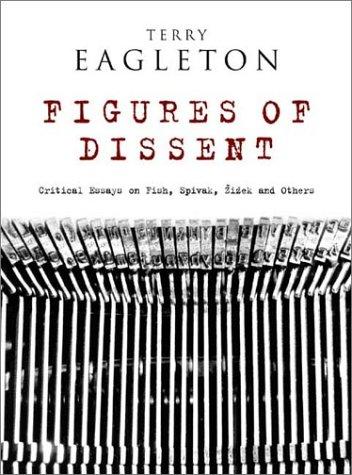 Figures of DissentTerry Eagleton
 How to read literatureTerry Eagleton
 IdeologyTerry Eagleton
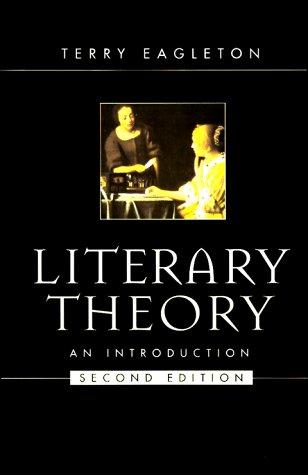 Literary theoryTerry Eagleton
 Shakespeare and societyTerry Eagleton
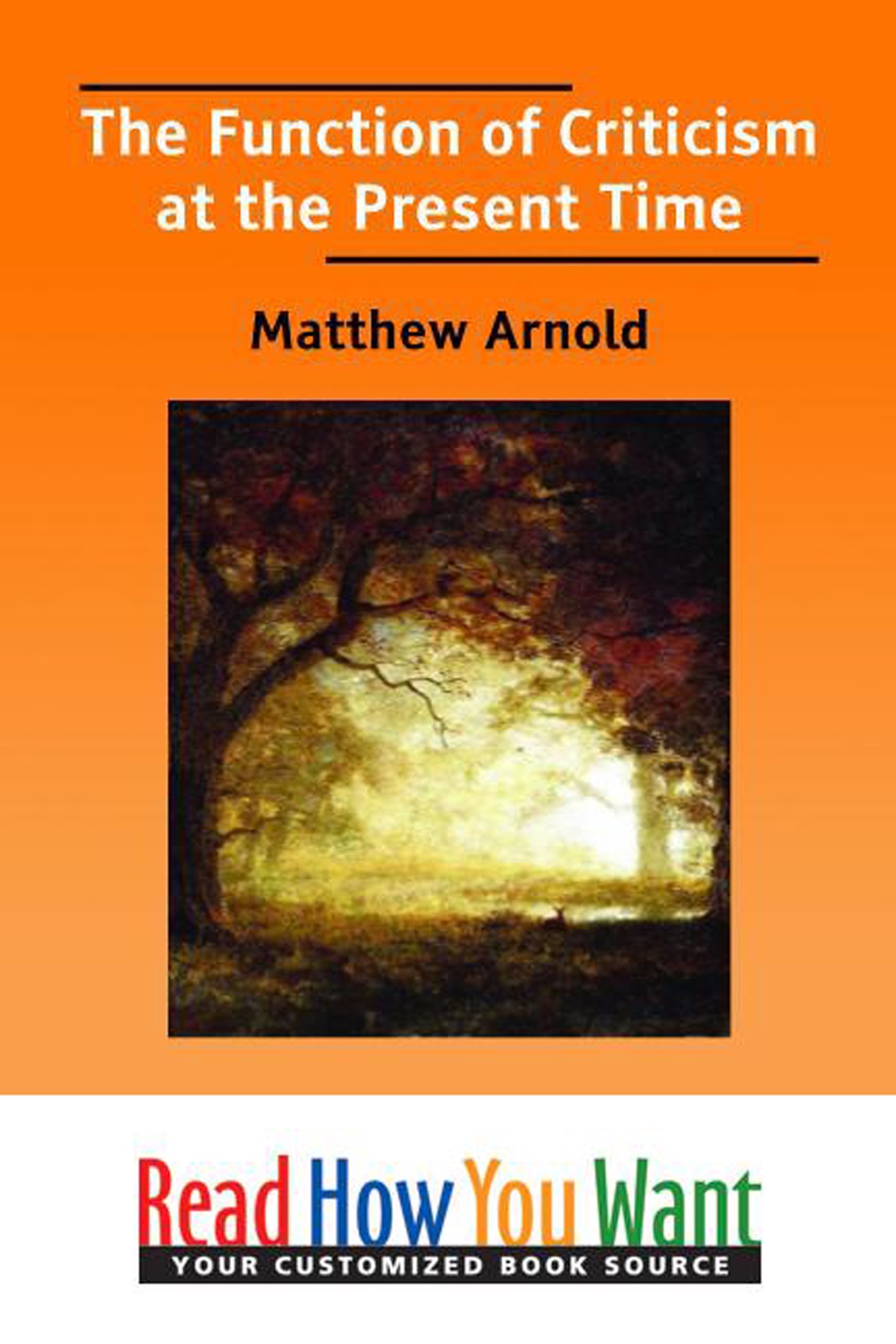 The function of criticismTerry Eagleton
 The Meaning of LifeTerry Eagleton
 Why Marx Was RightTerry Eagleton