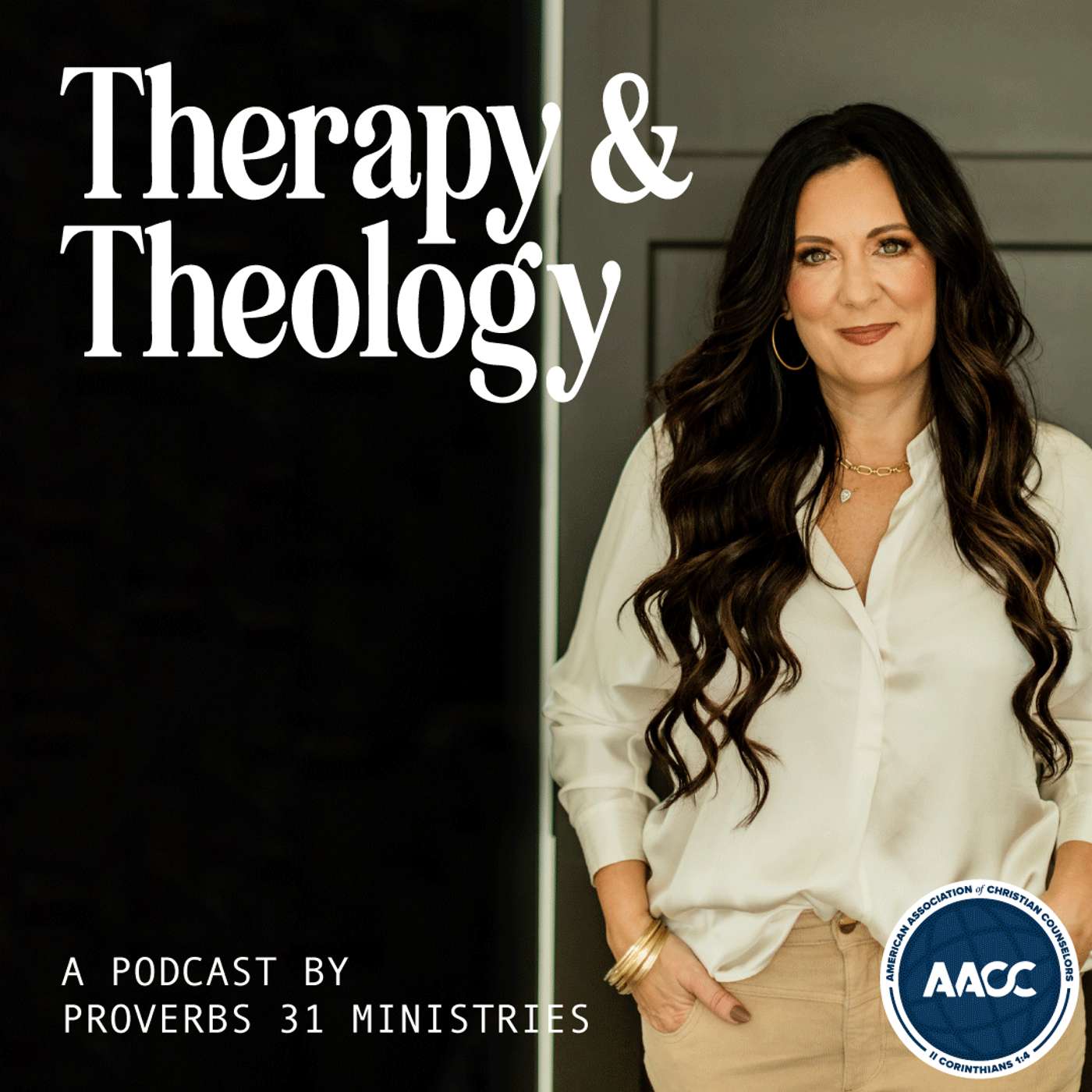
Lisa TerKeurst — S12 E1 | How To Build a Family Where Everyone Belongs
✓ Source-groundedA family's sense of belonging is preserved by establishing a shared identity covenant and actively dismantling the four 'fractures'—simmering resentment, unforgiveness, dishonesty, and favoritism.
In one sentence
A family's sense of belonging is sustained not by accident, but by a deliberate, shared identity (a covenant) and the proactive removal of relational "fractures" like simmering resentment and favoritism.
Why read this (and who it's for)
This conversation addresses the erosion of family unity caused by unspoken tensions and unexamined biases. It is for parents, grandparents, and family leaders who feel a "fracture" in their home dynamic and want to move from reactive discipline to proactive, identity-based connection. You will learn how to establish a family covenant and identify the specific behaviors that destroy a sense of belonging.
The big idea
Lisa TerKeurst argues that a sense of belonging is the bedrock of a healthy family unit, especially when facing external pressures or internal fractures. Because belonging is a core human need, it must be intentionally fostered rather than assumed. The logic is simple: if a family doesn't have a defined "who we are," they will default to the "who we are" dictated by their current emotions, resentments, or external pressures.
The speakers argue that a family must move from a "presumed" identity (e.g., "We go to church, so we're a good family") to a "declared" identity. By establishing a covenant—a shared commitment to specific values—the family creates a "safe harbor" where members are anchored in who they are as a collective unit. This allows for a shift from punishing behavior to correcting behavior based on the family's shared identity.
Key ideas
The Family Covenant
- What it is — A formal, shared declaration of who the family is, what they believe, and how they commit to treat one another.
- Why it matters — It provides a "north star" for behavior. Instead of reacting to a child's behavior in a vacuum, parents can point to the covenant to say, "This doesn't line up with who we are as a family."
- In the book — Dr. Joel Mudamalle shares his family's covenant, which includes commitments to respect, honesty, kindness, and "forgiving quickly."
The Four Fractures of Belonging
- What it is — The four specific behaviors that, if left unaddressed, destroy a family's sense of belonging: simmering resentment, unforgiveness, dishonesty, and favoritism.
- Why it matters — These are often "small" things at first, but like a simmering pot, they can grow into "murderous" levels of resentment if left unsubmitted to biblical principles.
- In the book — Lisa TerKeurst explains how a line spoken over a child can become a lie they believe, eventually becoming a "label" that becomes a liability in their future relationships.
The Power of Identity over Instruction
- What it is — The difference between telling a child what to do (rules) and reminding them who they are (identity).
- Why it matters — When a child knows their identity, they don't need a constant list of rules; they simply need to remember who they are.
- In the book — Lisa TerKeurst shares her family's mantra: "Remember who you are." Because they had built their values into that statement, they didn't have to stand at the door and list every value individually.
Attachment and Security
- What it is — The developmental theory that humans need to feel seen, understood, soothed, and safe to develop a secure attachment.
- Why it matters — Secure attachment is the foundation of trust. When a child (or adult) feels emotionally and physically safe, they can develop a secure sense of belonging.
- In the book — Rebecca Maxwell connects this to the "Four S's" (Seen, Soothed, Safe, Secure) and explains how God provides these for us to build trust.
The "Fish and Loaves" Hospitality
- What it is — Creating a home that is a "safe space" for others, not just the immediate family.
- Why it matters — A family's sense of belonging is strengthened when it is practiced as a "winsome witness" to the outside world.
- In the book — Lisa TerKeurst describes "Monday night dinners," where kids could invite friends over without asking, creating a sense of belonging for the community.
Frameworks & tools
The Family Covenant Framework
To build a sense of belonging, establish a family covenant using these steps:
- Identify Core Values: Determine what your family stands for (e.g., Respect, Honesty, Kindness).
- Define the Commitment: Write out how these values will be lived out in daily actions (e.g., "We are people who forgive quickly").
- Establish Identity Markers: Create a "Who We Are" statement (e.g., "The Maxwells are kind").
- Use as a Correcting Tool: When a family member acts out of character, refer back to the covenant: "Hold on a minute, this doesn't line up with who we are as Maxwells."
The Four Fractures Audit
Identify and address the "killers" of belonging in your home:
- Simmering Resentment: Identify where "small" complaints are being ignored.
- Unforgiveness: Identify where a "line" was spoken that hasn't been retracted.
- Dishonesty: Identify where truth is being avoided to keep the peace.
- Favoritism: Identify where certain family members are being prioritized over others.
Memorable examples & stories
The Cain and Abel Comparison
Dr. Joel Mudamalle compares the simmering resentment of Cain to the "fractured" belonging of a family. He notes how Cain's resentment grew until it reached the point of contemplating murder, illustrating how unattended resentment becomes a "foothold" for sin. Lesson: Sin is "crouching at your door"; you must rule over it before it takes hold.
The David and Jonathan Bond
Dr. Joel highlights the relationship between David and Jonathan as a counter-example to resentment. Despite having every reason to be resentful or dishonest, Jonathan chose to honor David's identity as the anointed one. Lesson: Secure attachment and recognizing someone's true identity can override the urge to act out of resentment.
The "Monday Night Dinner" Tradition
Lisa TerKeurst describes a tradition where her children could invite friends over on Monday nights without asking permission. Lesson: Creating a "safe space" for others fosters a deeper sense of belonging within the family.
Key quotes
"A sense of belonging, while it was rattled, it was not destroyed." — Lisa TerKeurst Why it matters: It highlights that while families face trials (like divorce), the core identity can survive if it is rooted in something deeper.
"We were just presuming a lot of these things, and we didn't have something that just reinforced... the identity markers of what it means to be part of family." — Dr. Joel Mudamalle Why it matters: It warns against the danger of "assumed" values that aren't actually being practiced or communicated.
"A line is spoken over you... that then turns into a lie that you start to believe... that then can turn into a label that you put on yourself." — Lisa TerKeurst Why it matters: It illustrates the high stakes of how we speak to one another within the family unit.
How to apply it
This week
- The Audit: Identify one "simmering" resentment or instance of favoritism in your home. Acknowledge it privately before deciding how to address it.
- The "Who We Are" Statement: Write down one sentence that defines your family's primary value (e.g., "The [Name] family is a place of grace").
- The "Who You Are" Reminder: The next time a child/spouse struggles, instead of just correcting the behavior, ask: "Remember who you are/who we are."
Ongoing
- The Covenant Review: Schedule a family meeting to write down a formal "Family Covenant" (similar to Dr. Joel's list of respect, honesty, and kindness).
- The "Fish and Loaves" Hospitality: Intentionally create one "open" space in your home (like a meal or a specific night) where others are welcome to join.
- The Forgiveness Rule: Practice "forgiving quickly" as a specific family rule to prevent resentment from simmering.
Common pitfalls
- Assuming Identity: Many families assume they have a "shared identity" because they attend the same church or share the same last name. Without a declared covenant, that identity remains invisible and unpracticed.
- Punishment vs. Correction: A common mistake is using discipline as a way to "shut down" behavior. The speakers argue for using the family covenant as a correcting tool to bring the individual back into the family's shared identity.
- Ignoring the "Simmer": Thinking that a small resentment isn't a big deal. The transcript emphasizes that these "little things" become "very big things" when left unsubmitted to the Lord.
Connects to
- The Four Horsemen of the Apocalypse (John Gottman): The "Fractures of Belonging" (Resentment, Unforgiveness, Dishonesty, Favoritism) are presented as the spiritual/familial equivalent of Gottman's relational killers (Contempt, Criticism, Defensiveness, Stonewalling).
- Attachment Theory: The discussion on "Secure Attachment" connects directly to psychological theories of how humans develop trust from "cradle to grave."
If you remember only three things
- Establish a Covenant: Move from presumed values to a declared family identity.
- Identify the Four Fractures: Actively watch for simmering resentment, unforgiveness, dishonesty, and favoritism.
- Identity over Instruction: Focus on reminding family members who they are rather than just telling them what to do.
Internalize it
-
Reflection questions
- Which of the "Four Fractures" (resentment, unforgiveness, dishonesty, favoritism) is currently most present in my home?
- If my family had a "Family Covenant" written down today, what would be the first three values we would agree on?
- In what ways have I allowed a "line" spoken over a loved one to become a "label" they believe about themselves?
- How can I create a "safe space" in my home for others to feel they belong?
-
Flashcards Q: What are the four "fractures" that destroy a sense of belonging in a family? A: Simmering resentment, unforgiveness, dishonesty, and favoritism.
Q: What is the difference between "prescriptive" and "descriptive" actions in the Bible? A: Prescriptive tells you exactly what to do; descriptive describes what happened.
Q: What is the primary goal of a Family Covenant? A: To move from "presumed" identity to a "declared" identity that reinforces who the family is as a unit.
Q: How does Lisa TerKeurst describe the progression of a "line" spoken over a child? A: A line spoken over them becomes a lie they believe, which becomes a label, which becomes a liability in future relationships.
Q: What are the "Four S's" of secure attachment? A: Seen, Soothed, Safe, and Secure.
Fidelity note
This summary is based entirely on the provided transcript. The "Four Fractures" and the "Family Covenant" are the primary frameworks presented by the speakers. The transcript does not provide a full, word-for-word list of the "Family Covenant" other than the highlights mentioned by Dr. Joel Mudamalle. The "Four S's" are attributed to Dan Siegel in the transcript but explained by Rebecca Maxwell.