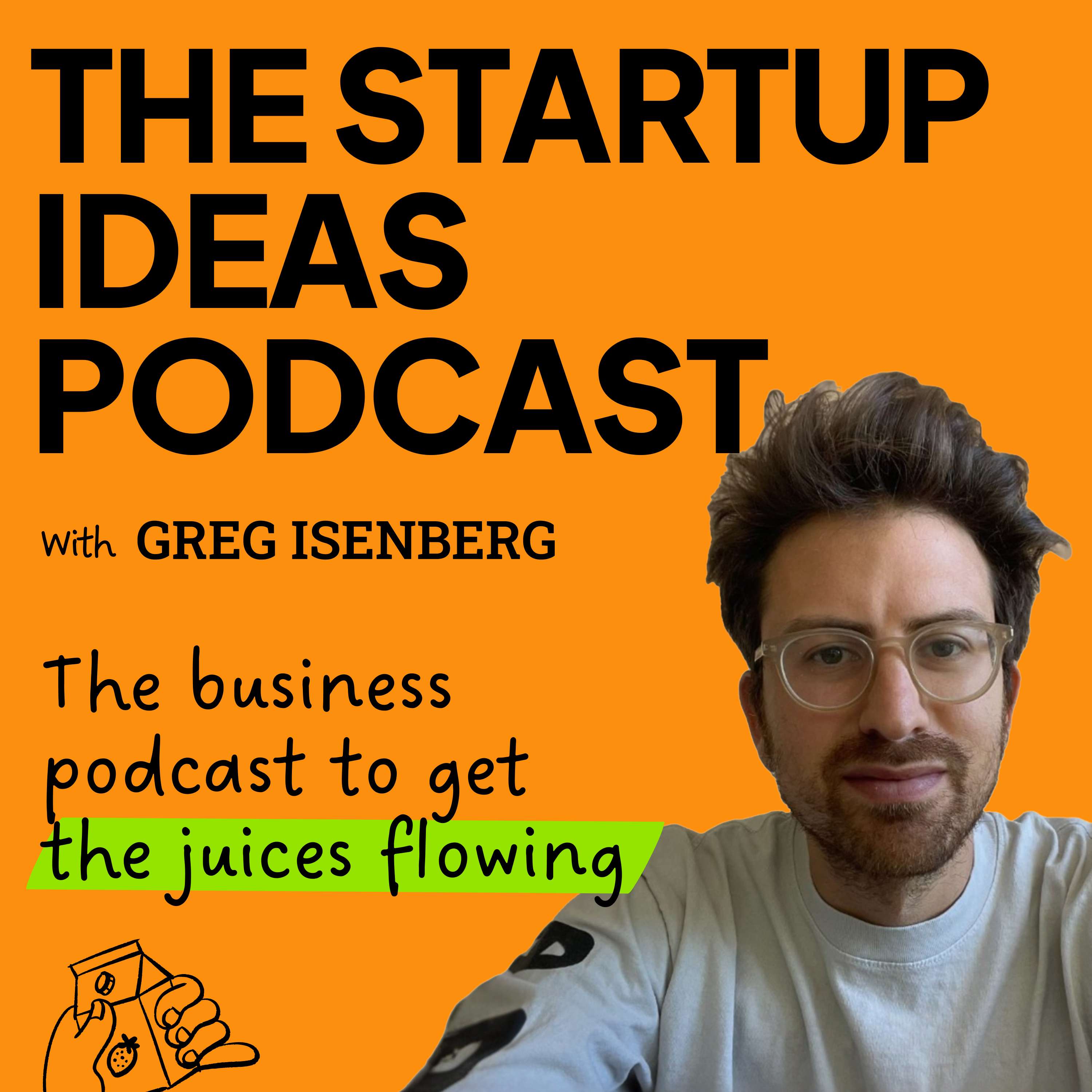
Startup Ideas Podcast Host — These 5 Github Repos are a goldmine
✓ Source-groundedGitHub is the ultimate source for 'unfair' advantages in the agentic era, offering a front-row seat to the tools, workflows, and SaaS products of the future before they go mainstream.
In one sentence
To gain a competitive edge in the AI era, you must monitor GitHub to identify emerging agentic tools, workflows, and product opportunities before they become saturated markets.
Why read this (and who it's for)
This summary is for founders, builders, and "solopreneurs" who want to stay ahead of the AI curve. It solves the problem of "information overload" by distilling a chaotic repository of code into five specific, actionable tools that can be used to automate workflows, improve content, and secure your AI environment. After reading this, you will know how to identify high-value GitHub repos and how to systematically test them for business value.
The big idea
The host argues that GitHub has become the premier "early warning system" for the agentic era. Because many of the tools that eventually become successful SaaS companies, agencies, or automated workflows appear as open-source projects first, browsing GitHub provides an "unfair advantage."
The core logic is simple: the future is already being built in public. By exploring these repositories, you aren't just looking at code; you are looking at the blueprints for the next generation of business. The host suggests a three-step cycle for every repo found:
- Install: Get the tool running.
- Workflow: Build a small, repeatable process that adds immediate value.
- Productize: Determine if this workflow can be sold to others or if it should remain a private productivity multiplier.
Key ideas
The "No AI Slop" Skill
- What it is — A tool by Peter Yang that acts as an editor to strip out "AI-sounding" patterns (overly polished, symmetrical, or formulaic writing) while preserving the user's unique voice.
- Why it matters — As AI-generated content floods the internet, "generic" writing leads to a loss of trust. This tool ensures your communication remains believable and human.
- In the book — The host notes that people can "smell" AI writing now; this tool helps you avoid the "fake SaaS conference" tone that causes people to stop reading your emails or tweets.
The AI-Native CRM
- What it is — An open-source CRM (by TriCompAI) designed not as a filing cabinet for humans, but as a workspace for AI agents.
- Why it matters — Most CRMs fail because humans forget to update them. This system allows agents to research people, enrich data, and perform scheduled follow-ups autonomously.
- In the book — The host highlights the "relationship graph." Instead of just storing names, the agent maintains the connection, ensuring "warm leads" don't sit in a graveyard of stale data.
Video Use (by Browser Use)
- What it is — A tool that allows coding agents to edit raw video footage (removing filler words, cutting dead space, adding subtitles).
- Why it matters — Content creation is a massive bottleneck for founders. This turns a "muscle memory" human task into an explicit, repeatable agentic workflow.
- In the book — The host suggests starting with a "small repeatable format," such as turning a founder's Loom video into a 60-second launch clip.
Skill Spectre (by NVIDIA)
- What it is — A security scanner that checks AI agent "skills" (scripts, tools, and instructions) for malicious patterns like prompt injection or data exfiltration.
- Why it matters — As we move toward "agentic operating systems" where AI tools can touch files and call services, security becomes a foundational builder problem.
- In the book — The host emphasizes that as workflows become modular, you need a "gate" to ensure the tools you're plugging into your workflow aren't compromised.
Phone Harness
- What it is — A tool that allows an AI agent to literally control a physical mobile phone (iPhone or Android) by seeing the screen and interacting with apps.
- Why it matters — Huge amounts of work (banking, social media, delivery) happen in apps without APIs. This allows agents to navigate those "closed" systems.
- In the book — The host suggests using this for mobile QA—having an agent test sign-up flows and onboarding to find where a user might get confused.
Frameworks & tools
The "Repo-to-Revenue" 3-Step Framework
Use this to evaluate any new tool found on GitHub:
- Installation: Get the repo running (often using
npx,bun, ordocker). - Small Workflow: Identify one specific, repetitive task (e.g., "Follow up with warm leads" or "Turn podcast into 3 clips").
- Value Assessment: Ask: "Can I productize this for others?" or "Does this save me 5 hours a week?"
The Mobile QA Test (Phone Harness specific)
- Open the app.
- Create an account.
- Tap through onboarding.
- Check out.
- Capture screenshots and identify where the agent (or a human) gets confused.
Memorable examples & stories
- The "Smell" of AI: The host describes the specific "too polished" feel of AI writing—the "it's not X, but it's Y" structure—and how it causes people to stop trusting the sender.
- The CRM Graveyard: The host shares his own experience of starting a CRM with excitement, only for the data to go stale and the tool to become a "graveyard" because humans aren't built to be manual data-entry clerks.
- The Content Bottleneck: The host points out that many founders have great products but fail because they can't keep up with the "manual labor" of editing and repurposing content.
Key quotes
- "The future is already here. It just isn't evenly distributed yet." (Refers to how GitHub holds the blueprints for the future.)
- "Most businesses actually don't fail from a lack of opportunities. A lot of times they fail because the opportunities are just scattered everywhere." (Regarding the need for an AI-managed CRM.)
- "Agents are moving from answering questions, to operating tools, and phones is one of the biggest tool services in the world." (Regarding the importance of Phone Harness.)
How to apply it
This week
- Audit your "AI Slop": Take a piece of writing you've generated with AI and run it through a "No AI Slop" style check. Does it still sound like you?
- Identify a "Graveyard": Find one business process (leads, customer success, etc.) where you have "warm" data that you've stopped following up on.
- Install one tool: Choose one of the five repos mentioned and get it running on your local machine.
Ongoing
- The GitHub Habit: Spend 30 minutes a week browsing trending repos in the "AI" or "Agent" categories.
- The 3-Step Loop: For every tool you find, force yourself to complete a "Small Workflow" before deciding if it's worth keeping.
Common pitfalls
- The "One-Shot" Trap: Many people try to automate an entire business process (like a whole YouTube channel) on day one. The host warns that this leads to failure; you must start with one small, repeatable format.
- Security Overlook: Assuming that because a tool is on GitHub, it is safe. The host warns that "skills" can have hidden instructions or malicious behaviors, making tools like Skill Spectre essential.
- Dependency Blindness: Some tools are free, but they rely on paid dependencies (like 11Labs). Always check the requirements before assuming a tool is "free."
Connects to
- The Age of Agents: This aligns with the broader shift from "Chatbots" to "Agents" that can actually perform actions in the real world.
- Open Source as a Moat: While open source is often seen as a competitor to SaaS, here it is presented as a "goldmine" for finding the raw building blocks of the next generation of software.
If you remember only three things
- GitHub is the "early warning system" for the next wave of software.
- Don't just "use" tools; build a Small Workflow first to prove value.
- The goal of AI is to move from answering questions to operating tools (like phones, browsers, and CRMs).
Internalize it
- Reflection questions
- Which of my current manual tasks would be easiest to hand over to an agent if the "tool" existed?
- Where am I currently "leaving money on the table" because I'm not following up on warm leads?
- If I were to productize one of these tools, which niche (Real Estate, SaaS, Coaching) would be the most desperate for it?
- Flashcards Q: Why is GitHub considered a "goldmine" for the agentic era? A: Because it allows you to see the tools, workflows, and startup ideas that will become mainstream in 6 months before they are saturated. Q: What is the "3-step" process for evaluating a new GitHub repo? A: 1. Install, 2. Create a Small Workflow, 3. Decide whether to productize or use for personal productivity. Q: What is the primary difference between a traditional CRM and an AI-Native CRM? A: A traditional CRM is a filing cabinet for humans; an AI-Native CRM is a workspace for agents to maintain the relationship graph. Q: What is "Skill Spectre" and why is it relevant now? A: It is a security scanner for AI agent skills, which is important because agents can now touch files and call services, creating security risks. Q: What is the "No AI Slop" skill's primary goal? A: To strip out formulaic, "over-polished" AI patterns while preserving the user's unique human voice.
Fidelity note
This summary is based entirely on the provided transcript. The host emphasizes that some tools (like Phone Harness) are still in the "early" stages and may have limitations (e.g., difficulty with FaceID or locked screens). The specific technical setup commands (like bun install or docker compose) are mentioned but the host notes he provides the specific links in the show notes, which are not included in the transcript.