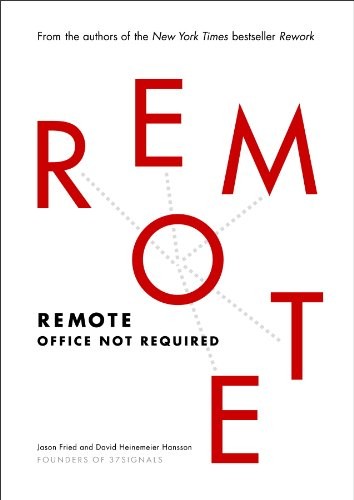
Jason Fried — Corporate Courage
✓ Source-groundedTrue corporate courage involves protecting the workplace from the 'moral panic' of identity politics to preserve a productive, sane environment for employees.
In one sentence
Jason Fried argues that companies must have the "institutional nerve" to enforce a "no-politics" policy to prevent the workplace from being eroded by the religious fervor of modern social justice activism.
Why read this (and who it's for)
This conversation is for leaders, managers, and employees who feel overwhelmed by the increasingly polarized and high-stakes political atmosphere in professional environments. It provides a framework for establishing boundaries that protect the "mental space" of a team, ensuring that work remains a place of craft and collaboration rather than a battlefield for ideological purity. You will learn how to identify the "moral panic" of modern activism and how to defend a neutral, productive workspace.
The big idea
Jason Fried, co-founder of Basecamp, argues that the primary role of a company is to provide a space where people can do great work together. However, a "moral panic" has emerged where social justice activism—often characterized by a religious-like fervor—has invaded the workplace, creating a "toxic soup" of accusations and uncharitable takes. Fried contends that because these topics are so complex and emotionally charged, they are fundamentally incompatible with a productive work environment.
The core of his argument is that "corporate courage" means making the difficult decision to stop these conversations from leaking into the company's internal communication tools. This isn't about silencing individuals' private beliefs; it is about protecting the "self-esteem of the organization." When a workplace becomes a site for debating the most complicated issues of the day, the "wall between what's reasonable and what isn't" begins to erode, leading to a dysfunctional environment where people are afraid to speak and factions are formed.
Key ideas
The "Moral Panic" of Social Justice
Fried describes the current state of social justice activism as a "moral panic" that captures institutions and K-12 education. He argues that while racism and sexism are real problems, they are being treated by a group of "activists and cult leaders" as a systemic, omnipresent evil that justifies a "religious fervor" of political action.
- Why it matters: Recognizing this as a moral panic helps identify why the atmosphere feels so hysterical; it is a systemic cultural shift, not just a series of individual disagreements.
- In the book: Fried notes that these activists often enjoy an "asymmetrical advantage" because being accused of racism is so destructive to a person's reputation that it "silences and cows most good people."
The Erosion of Institutional Nerve
Fried argues that many corporations lack the "nerve" to stand up to the "moral panic." He points to large, profitable companies that capitulate the moment a Twitter thread starts, showing a lack of leadership in protecting their own corporate culture.
- Why it matters: Without institutional nerve, a company's culture becomes a reflection of the loudest, most aggressive voices on social media rather than the values of the leadership.
- In the book: He contrasts the "corporate cowardice" of some large firms with the "corporate courage" of Basecamp in making a hard policy change.
The "Toxic Soup" of Social Media
Twitter is described as a "double-edged sword" and a "terribly toxic soup of complaints and attacks." Because there is no identity verification, it is easy for "fake accounts" or "grandstanding" mobs to form, making it "rational not to be the one to open your big mouth" because of the sheer amount of ire and dishonesty targeted at individuals.
- Why it matters: It explains why many people—even those who agree with the principles of the activists—choose silence, which is then weaponized against them as "acquiescence."
- In the book: Fried explains that this environment makes it impossible to have nuanced, productive conversations because the "reach" of an accusation (e.g., "you're a fascist") is too vast and too quick.
The "Depression" of Remote Work
Fried draws a parallel between software and remote work: without "physical edges" or "physical limits," things can become "overwrought" and "confusing." Remote work, like software, can become a "natural depression" where the boundaries of what is reasonable are eroded because there is no physical environment to push back.
- Why it matters: It highlights why a "no-politics" policy is actually a structural necessity for remote work—it provides the "walls" that the physical office used to provide.
- In the book: He argues that the policy is a way to "fill that depression" so people don't fall into the trap of over-complicating their work lives with unnecessary, high-friction debates.
The Cost of Independence
Fried argues that the only way to have "corporate courage" is to be independent. Because Basecamp is privately funded and has no board or outside investors, they can make decisions that might "take the company down" without fearing a "VC" or a "publicly traded" board's reaction.
- Why it matters: It reveals that "corporate courage" is often a luxury of independence; those with "deeper tentacles" (investors, stakeholders, IPO requirements) often lack the freedom to make such radical cultural shifts.
- In the book: Fried uses the "negative visualization" (a stoic practice) of the company going out of business as a reason why they were willing to take the risk of the "no-politics" policy.
Frameworks & tools
The "Corporate Courage" Audit
Use this to evaluate the health of your organization's internal communication environment.
- Identify the "Boil": Are company-wide discussions becoming "nonproductive" or "unhealthy"? Is the "mental space" of the team being occupied by debates that are too complex for a professional environment?
- Assess the "Surface Area": How much of your internal communication (Slack, email, etc.) is being used for non-work-related, high-friction political debates?
- Establish the "Wall": Define the boundary. For Basecamp, this was "no political discussions inside the product/company communication tools."
- Measure the "Reaction": Be prepared for a "firestorm." Fried notes that a third of his workforce left after the policy change. Courage requires accepting that some people will leave because they disagree with the boundary.
- Maintain the "Refuge": Ensure the company remains a "refuge" where people can "hone their craft" without being forced to wade into the "biggest topics of our time."
Memorable examples & stories
The "ADL Pyramid of Hate" Incident
An employee at Basecamp posted an apology alongside a chart of the "ADL pyramid of hate" (which scales from microaggressions to genocide) to suggest that making fun of names could lead to genocide.
- The Lesson: This "out of proportion" reaction highlighted the "moral panic" of the era, where the "reach" of accusations is so vast that it makes normal, nuanced conversation impossible.
The "30% Turnover"
After announcing the "no-politics" policy, over 20 people (roughly a third of the workforce) left the company.
- The Lesson: Corporate courage often requires a "sad" and "difficult" period of transition where you must prioritize the long-term health of the organization over the retention of individuals who refuse to respect the new boundaries.
The "VC" Excuse
Fried speaks with a famous venture capitalist who admitted he wouldn't speak out against the "moral panic" because he has "too many people and companies" whose livelihoods depend on his actions.
- The Lesson: Complexity and "intertwined interests" often act as a barrier to courage; independence is the prerequisite for taking a stand.
Key quotes
"We shouldn't be debating the most complicated issues of the day... Work makes it incredibly hard to have conversations like this."
- Why it matters: It frames the "no-politics" rule not as a restriction of speech, but as a recognition of the cognitive load required to handle such topics.
"The rest of the world... is a terribly toxic soup of complaints and attacks... It becomes rational not to be the one to open your big mouth because so much ire and dishonesty is going to be targeted in your direction."
- Why it matters: It explains the "silence" of many good people as a rational survival strategy against a "moral panic."
"We felt almost a moral obligation to live up to our independence and to do things that other people wouldn't give us permission to do."
- Why it matters: It defines the "why" behind the policy—it is an extension of the company's core identity as an independent entity.
How to apply it
This week
- Audit your "Work-Speak": Look at your team's internal communication channels (Slack, Teams, etc.). Are there "low-simmer" political debates occurring?
- Identify the "Boil": Is there a specific topic that has become "nonproductive" or "unhealthy" for the team's focus?
- Practice "Negative Visualization": Think about the worst-case scenario of a policy change (e.g., people leaving). If you are willing to accept that cost for the sake of a healthier culture, you are ready to lead.
Ongoing
- Protect the "Refuge": Actively work to keep the workplace a place where people can "hone their craft." If a conversation starts to veer into "the most complicated issues of the day," gently redirect to the work at hand.
- Maintain the "Wall": Be clear about the boundaries of the workplace. It is okay to be "nonpolitical" in the context of work to ensure everyone can do their best work without being "battered" by the friction of external cultural wars.
Common pitfalls
- Confusing "No-Politics" with "No-Identity": The policy isn't about erasing who people are; it's about the environment of the workplace. You can still be a person with a political identity, but the workplace is a "collective society" focused on a specific mission.
- Expecting "Everyone" to agree: Fried notes that the "reaction was what it was." You cannot expect a "moral panic" to be settled by a policy; some people will be angry, and that is the price of the "refuge."
- Underestimating the "Reach": People often underestimate how quickly a "microaggression" accusation can escalate to a "genocide" accusation. The policy is a safeguard against this rapid, uncharitable escalation.
Connects to
- Stoicism (Negative Visualization): Fried explicitly mentions using this to prepare for the potential collapse of the business to make a principled stand.
- The "Refuge" Concept: Similar to the idea of a "monastic" focus on craft, this is about creating a space where the "noise" of the world is dialed down to allow for deep work.
If you remember only three things
- The Moral Panic: Recognize that the current intensity of social justice activism is a "moral panic" that creates an uncharitable, high-friction environment.
- The "Wall" of Work: A company's primary job is to provide a "refuge" where people can focus on their craft without being overwhelmed by the world's most complex problems.
- The Price of Courage: Corporate courage requires "institutional nerve"—the willingness to accept that some people will leave if you choose to protect the sanity of the remaining organization.
Internalize it
-
Reflection questions
- Is my current workplace a "refuge" for craft, or has it become a "toxic soup" of competing ideological claims?
- What "moral panics" am I currently allowing to occupy my mental space during work hours?
- If I were to implement a "no-politics" policy today, what is the specific "boil" I would be trying to cool down?
- Am I capable of the "institutional nerve" required to let people leave if they disagree with a boundary that protects the team's productivity?
-
Flashcards Q: How does Jason Fried describe the current state of social justice activism? A: As a "moral panic" characterized by a "religious fervor" that captures institutions and creates an uncharitable environment.
Q: Why did Fried argue that "no-politics" is necessary for remote work? A: Because remote work lacks "physical edges," and without boundaries, the environment can become an "overwrought" and "confusing" depression.
Q: What is the "moral obligation" Fried feels regarding Basecamp's independence? A: The obligation to do things that other companies wouldn't give them "permission" to do, such as taking a stand on corporate culture.
Q: What was the "price" paid for the "no-politics" policy at Basecamp? A: About a third of the workforce (over 20 people) left the company following the announcement.
Q: Why does Fried describe social media as a "toxic soup"? A: Because the lack of identity verification and the "grandstanding" of mobs make it "rational not to be the one to open your big mouth" to avoid being targeted by uncharitable accusations.
Q: What is the "Refuge" concept in this context? A: A workplace where employees can "hone their craft" and focus on work without having to constantly decide whether to wade into the "biggest topics of our time."
Fidelity note
This summary is grounded in the provided transcript. I am confident in the descriptions of the "moral panic," the "no-politics" policy, and the specific reactions (the 30% turnover, the ADL pyramid incident). The summary accurately reflects Fried's perspective on the "religious fervor" of activism and the necessity of "institutional nerve." The "Refuge" and "Wall" metaphors are synthesized from his descriptions of the workplace as a place to "hone craft" and "focus on the work."