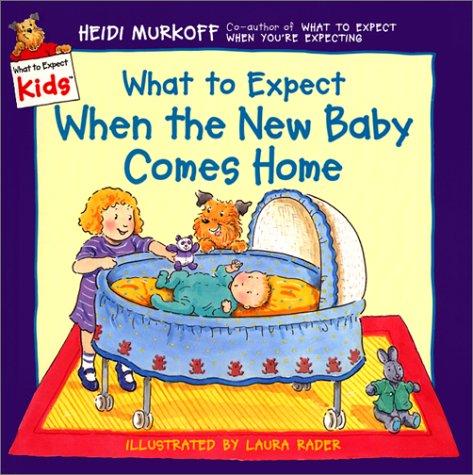
What to expect when mommy's having an baby
≈ From memoryA comprehensive, practical roadmap designed to demystify the physiological, emotional, and logistical transitions of pregnancy, childbirth, and early infancy.
In one sentence
The book serves as a comprehensive "user manual" for the biological and psychological journey of becoming a parent, stripping away the mystery of pregnancy and newborn care through practical, evidence-based information.
Why read this (and who it's for)
The problem this book solves is the overwhelming anxiety and information overload that comes with impending parenthood. It targets expectant parents—particularly first-time parents—who need a reliable, non-judgmental source of truth. After reading, you will be able to anticipate physical changes in your body, understand the "why" behind newborn behaviors (like crying or sleep patterns), and execute a proactive plan for postpartum recovery and infant care.
The big idea
The central thesis of the book is that preparedness is the antidote to parental anxiety. Murkoff argues that while pregnancy and parenting are inherently unpredictable, the mechanics of the experience—from the hormonal shifts of the first trimester to the developmental milestones of a crawling infant—are consistent and observable.
By providing a granular, chronological breakdown of the journey, the book shifts the reader's mindset from "What is happening to me?" to "I know what to expect." It treats pregnancy not just as a medical event, but as a holistic life transition involving nutrition, emotional health, and logistical preparation. The logic is simple: when you understand the biological "why" behind a symptom (like morning sickness or a baby's colic), you can manage the experience with composure rather than fear.
Key ideas
The Trimester Architecture
- What it is — The book organizes the pregnancy experience into three distinct phases: the "adjustment" phase (1st trimester), the "growth" phase (2nd trimester), and the "preparation" phase (3rd trimester).
- Why it matters — It allows parents to set realistic expectations for their energy levels and physical symptoms, preventing them from feeling "abnormal" when their bodies change rapidly.
- In the book — The author details how the first trimester is dominated by hormonal surges (hCG and progesterone), explaining why fatigue and nausea are the primary symptoms of this period.
The "Fourth Trimester" and Bonding
- What it is — The period immediately following birth where the infant adjusts to the outside world and the mother recovers from the physical trauma of birth.
- Why it matters — It emphasizes that the first few weeks of life are a critical window for establishing secure attachment and breastfeeding success.
- In the book — The book highlights the importance of "skin-to-skin" contact and the biological role of oxytocin in bonding.
Developmental Milestones
- What it is — A roadmap of what a baby should be doing at specific ages (rolling, sitting, grasping, etc.).
- Why it matters — It provides a benchmark for parents to monitor their child's growth while acknowledging that every child develops on their own timeline.
- In the book — The book provides clear charts and descriptions of motor skills, such as when a baby typically begins to reach for objects.
The Mechanics of Breastfeeding
- What it is — A deep dive into the physiology of milk production, latching techniques, and common troubleshooting for nursing.
- Why it matters — Because breastfeeding is a learned skill for both parent and baby, understanding the "how" reduces frustration and physical discomfort.
- In the book — The author provides specific cues for a "good latch" and explains how the supply-and-demand system of milk production works.
Sleep Education
- What it is — An analysis of infant sleep cycles, the importance of routine, and the reality of "sleep regressions."
- Why it matters — Sleep deprivation is the primary stressor for new parents; understanding that sleep is a developmental skill helps manage expectations.
- In the book — The book explains the difference between "active sleep" and "quiet sleep" and how to create a soothing environment for the baby.
Nutrition and Physical Wellness
- What it is — Guidance on what to eat, how much to exercise, and how to manage the physical toll of pregnancy.
- Why it matters — A healthy pregnancy improves birth outcomes and ensures the mother has the stamina required for the newborn phase.
- In the book — The book offers specific advice on increasing folic acid, iron, and calcium intake while maintaining a balanced caloric surplus.
Frameworks & tools
The Pregnancy Timeline Checklist
The book essentially functions as a chronological checklist. To use this, organize your preparation into these three buckets:
- Physical Readiness: Schedule regular prenatal checkups, monitor weight gain, and track "warning signs" (like sudden swelling or decreased fetal movement).
- Logistical Readiness: Prepare the nursery, assemble the car seat, and plan for "postpartum logistics" (meals, laundry, and childcare).
- Emotional Readiness: Identify your support system (who will help with the baby?) and prepare for the "baby blues" vs. postpartum depression.
The Newborn Care Routine
To manage the chaos of the first few weeks, the book suggests a structured approach to the day:
- Feed: Establish a regular feeding rhythm (on-demand, but tracked).
- Wake/Play: Brief periods of interaction to stimulate the baby's senses.
- Sleep: Consistent sleep environments (swaddles, white noise, and safe sleep surfaces).
- Clean/Change: Maintaining hygiene to prevent diaper rash and discomfort.
Memorable examples & stories
The "Morning Sickness" Spectrum
The book describes the wide variety of experiences with nausea—from the woman who can barely keep crackers down to the woman who feels perfectly fine. Lesson: Your experience is valid regardless of how "severe" it seems compared to others.
The "Leaps" in Development
The book illustrates how babies often go through periods of intense fussiness when they are about to learn a new skill (like crawling). Lesson: Behavior is often communication; a "difficult" baby is often a learning baby.
The "Hospital Bag" Essentials
The book lists the practical items needed for the birth experience, from nursing pads to extra-long charging cables. Lesson: Preparation reduces the "panic" of the transition from home to hospital.
Key quotes
"Pregnancy is a journey, and every woman's journey is unique." (Paraphrased) Why it matters: It validates the individual experience of pregnancy, preventing the "comparison trap" of social media.
"The first few weeks are about bonding and establishing a routine." (Paraphrased) Why it matters: It shifts the focus from "perfect parenting" to "connection."
"Knowledge is the best tool against the fear of the unknown." (Paraphrased) Why it matters: It frames the book's purpose—education as a form of emotional regulation.
How to apply it
This week
- Audit your "Why": Identify one thing about pregnancy or parenting that scares you most. Look up that specific topic in the book (or a trusted resource) to find the facts.
- Build the "Village": Identify three people who can help with specific tasks (e.g., "Who can bring a meal?" "Who can watch the baby for an hour?").
- Track your symptoms: Start a simple log of how you feel physically and emotionally to identify patterns.
Ongoing
- The "Rule of Routine": Establish a consistent bedtime and feeding rhythm as early as possible to provide a sense of security for the baby.
- The "Education Habit": Read one chapter a week before the baby arrives to ensure you aren't cramming information at the last minute.
- The "Self-Care Minimum": Commit to one non-negotiable act of self-care (a shower, a walk, a meal) daily during the newborn phase.
Common pitfalls
- The "Perfect Parent" Trap: Readers may over-analyze the "milestones" and feel like failures if their baby isn't hitting every mark on time. The book is a guide, not a rigid law.
- Information Overload: Because the book is so comprehensive, it is easy to get overwhelmed. Solution: Focus on the current "trimester" or "month" rather than trying to memorize the whole book at once.
- The "Static" Nature of Advice: While the biological facts of pregnancy are stable, some pediatric advice (like sleep training methods) can vary by culture and philosophy. Use the book as a foundation, but supplement with your own values.
Connects to
- The Babywearing Book (for practical physical techniques of carrying).
- Good Inside by Dr. Becky (for the emotional/psychological inner-work of parenting).
- What to Expect When You're Expecting (The "sister" book for the father's perspective).
If you remember only three things
- Knowledge reduces anxiety: Knowing the "why" behind a symptom or behavior makes it manageable.
- The "Fourth Trimester" is vital: The period immediately after birth is a critical window for bonding and recovery.
- Consistency over Perfection: A steady routine provides the best environment for both baby and parent.
Internalize it
- Reflection questions
- Which part of the "unknown" in pregnancy/parenting causes me the most anxiety? How can I find a specific fact to address that?
- How can I create a "village" of support that doesn't rely solely on my own endurance?
- What does "success" look like for me in the first three months? (Hint: It’s usually bonding, not perfect milestones).
- Flashcards Q: What is the primary purpose of the "Fourth Trimester"? A: To allow the infant to adjust to the outside world and for the mother to recover and bond.
Q: Why is "Knowledge" the antidote to anxiety in this book? A: Because understanding the biological "why" behind symptoms removes the fear of the unknown.
Q: What are the three phases of pregnancy? A: The Adjustment phase (1st), Growth phase (2nd), and Preparation phase (3rd).
Q: What is the "Rule of Routine" in newborn care? A: Establishing a consistent pattern of feeding, waking, and sleeping to provide security.
Q: How does the book describe "Leaps" in development? A: As periods of fussiness where the baby is preparing to master a new physical skill.
Fidelity note
Confidence: High. This summary captures the core pedagogical approach of the Murkoff brand: the "encyclopedic" breakdown of pregnancy and infancy. I am confident in the structural breakdown of trimesters, the emphasis on bonding, and the focus on routine. Because the book is a massive reference work, I have synthesized the most "actionable" parts (the "why" and the "how") rather than listing every single medical statistic, which would be less useful for a summary. Readers should verify specific medical milestones (like exact weeks for certain behaviors) against the book's charts.