Ageless
≈ From memoryLongevity is not a matter of luck but a biological management system where you can optimize healthspan by mastering the interplay between cellular repair, metabolic flexibility, and systemic inflammation.
In one sentence
Aging is a systemic degradation of biological repair mechanisms that can be slowed or managed by targeting the "hallmarks of aging"—specifically inflammation, mitochondrial health, and muscle preservation—rather than merely treating symptoms of disease.
Why read this (and who it's for)
Most people view aging as an inevitable slide into decline. Steele argues that aging is a measurable biological process with specific levers we can pull. This book is for the "proactive optimizer": anyone who wants to move beyond generic advice like "eat more vegetables" and understand the actual cellular machinery of why certain interventions (like zone 2 training, intermittent fasting, or protein synthesis) actually work to extend healthspan. After reading this, you will be able to audit your lifestyle through the lens of biological age rather than chronological age.
The big idea
The central thesis of Ageless is that we must shift our paradigm from Reactive Medicine (treating a disease once it manifests) to Proactive Maintenance (preserving the integrity of our biological systems). Steele argues that while we cannot stop time, we can significantly alter the rate at which our "biological machinery" wears out.
The logic follows a clear trajectory: Aging is driven by specific, identifiable cellular failures—such as mitochondrial decay, telomere shortening, and the accumulation of "senescent" cells. These aren't just abstract concepts; they are the reasons why we lose grip strength, experience brain fog, and develop chronic inflammation. By understanding these mechanisms, we can intervene at the source. Instead of waiting for a heart condition or diabetes to appear, we must optimize the metabolic environment that prevents those conditions from arising in the first place.
Ultimately, Steele posits that longevity is a "compounding interest" game. Small, consistent interventions in nutrition, movement, and recovery create a cumulative effect on your biological age. If you can maintain high-functioning mitochondria and low systemic inflammation today, you are effectively "buying" more years of high-quality life tomorrow.
Key ideas
The Hallmarks of Aging
- What it is — Aging is characterized by specific physiological breakdowns: telomere attrition, cellular senescence (zombie cells), and mitochondrial dysfunction.
- Why it matters — If you don't address these underlying causes, any "fix" for a symptom (like taking a pill for high blood pressure) is merely a bandage on a leaking pipe.
- In the book — Steele explains how senescent cells—cells that stop dividing but refuse to die—secrete pro-inflammatory cytokines that damage neighboring healthy tissue, creating a "toxic" environment for your organs.
Inflammaging
- What it is — This is the chronic, low-grade, systemic inflammation that characterizes the aging process. It differs from acute inflammation (like a sore throat) because it persists without an external threat.
- Why it matters — Chronic inflammation is the "common denominator" of almost all age-related diseases, including Alzheimer’s, arthritis, and cardiovascular disease.
- In the book — Steele highlights how this internal "slow burn" degrades our tissues over decades, making it a primary target for intervention through diet and stress management.
Mitochondrial Integrity & Metabolic Flexibility
- What it is — Your mitochondria are the power plants of your cells; metabolic flexibility is your body's ability to switch efficiently between burning carbohydrates and fats for fuel.
- Why it matters — As we age, mitochondrial efficiency drops, leading to "metabolic sludge" where the body struggles to produce energy, resulting in fatigue and insulin resistance.
- In the book — The author emphasizes that maintaining a "metabolically flexible" state—achieved through specific types of exercise and caloric management—is essential for cellular repair and longevity.
Sarcopenia as a Longevity Metric
- What it is — Sarcopenia is the age-related loss of muscle mass and function. Steele argues that muscle is not just for aesthetics; it is an endocrine organ.
- Why it matters — Muscle tissue acts as a metabolic sink for glucose and a source of myokines (signaling molecules) that improve systemic health. Losing muscle accelerates the aging process.
- In the book — He frames strength training not as "bodybuilding" but as a fundamental requirement for maintaining metabolic health and independence in later life.
Autophagy and Nutrient Sensing
- What it is — Autophagy is the body's internal "recycling" system where cells break down damaged components. This is regulated by nutrient sensors like mTOR and AMPK.
- Why it matters — By periodically "starving" certain pathways (through fasting or caloric restriction), you trigger a cellular cleanup that clears out waste products.
- In the book — Steele discusses how manipulating these signaling pathways can help maintain "cellular hygiene," preventing the buildup of damaged proteins that lead to neurodegeneration.
Frameworks & tools
The Longevity Hierarchy (The Foundation)
Steele suggests prioritizing interventions based on their systemic impact. Instead of trying everything at once, focus on this hierarchy:
- The Baseline (Non-Negotiables):
- Sleep: 7–9 hours of quality rest (the primary repair window).
- Hydration & Nutrition: Whole-food-based, nutrient-dense intake.
- The Maintenance (Active Intervention):
- Zone 2 Training: Steady-state aerobic exercise (where you can still speak but are breathless) to improve mitochondrial density.
- Resistance Training: Lifting heavy enough to challenge the muscles and maintain bone density.
- The Optimization (Advanced Tactics):
- Time-Restricted Feeding: Aligning meals with circadian rhythms.
- Stress Management: Actively lowering cortisol to prevent systemic inflammation.
The Metabolic Flexibility Audit
To determine if your body is efficiently processing fuel, Steele suggests monitoring these three indicators:
- Recovery Rate: How quickly do you recover from a sustained aerobic effort?
- Blood Glucose Stability: Do you experience significant "crashes" after meals? (A sign of insulin sensitivity issues).
- Body Composition: Is your weight distributed primarily as lean mass vs. visceral fat?
Memorable examples & stories
The Zombie Cell Analogy
Steele uses the concept of "senescent cells" to describe cells that have stopped dividing but are still metabolically active. They act like "zombie" cells, hanging around and secreting inflammatory chemicals that poison their neighbors. The lesson: Aging isn't just about what we lose; it’s about what accumulates in our tissues.
The Sarcopenia Trap
He discusses the common mistake of focusing solely on "cardio" as people age. While cardio is great for the heart, ignoring muscle mass leads to a metabolic collapse where the body can no longer effectively manage blood sugar. The lesson: Muscle is an endocrine organ; you must train it to keep your metabolism alive.
The Mitochondrial Power Plant
Steele compares mitochondrial decay to a city's power grid failing. When the "batteries" of our cells fail, every other system—from brain function to heart rate—begins to flicker and fail. The lesson: Mitochondrial health is the foundation upon which all other longevity metrics are built.
Key quotes
- "Aging is not a single event but a cumulative process of cellular decay." (Paraphrased)
- Why it matters: It shifts the focus from "curing" aging to managing its progression.
- "Inflammaging is the silent fire that burns our tissues over time." (Paraphrased)
- Why it matters: It highlights why chronic, low-grade inflammation is the primary enemy of healthspan.
- "Muscle is your metabolic insurance policy." (Paraphrased)
- Why it matters: It reframes strength training as a vital metabolic tool rather than an aesthetic choice.
How to apply it
This week
- Audit your Sleep: Track your sleep for 7 days. Aim for a consistent wake-up time and ensure your room is cool and dark.
- Identify "Zone 2" Capacity: Find a pace where you can maintain a conversation but feel noticeably challenged (e.g., a brisk incline walk or steady cycle). Do this for 30 minutes.
- Add a Protein Anchor: Ensure every meal includes a high-quality protein source to support muscle maintenance and satiety.
Ongoing
- The 80/20 Movement Rule: Spend 80% of your workout time on Zone 2 and strength training, and 20% on high-intensity "bursts" or mobility work.
- Time-Restricted Feeding: Try to keep your eating window within an 8–10 hour period (e.g., 10 AM to 6 PM) to align with natural circadian rhythms.
- The "Muscle First" Mentality: View every strength training session as a metabolic intervention to improve insulin sensitivity and hormone balance.
Common pitfalls
- The "Supplement Trap": Many people think they can "pill" their way to longevity without the foundational work of movement, sleep, and nutrition. Steele emphasizes that supplements are secondary to systemic lifestyle changes.
- Over-training/Under-recovering: Focusing so much on intensity that you neglect the recovery window (sleep) where actual cellular repair occurs.
- Ignoring Sarcopenia: Many "longevity" enthusiasts focus entirely on cardio and forget that losing muscle mass is a primary driver of frailty and metabolic decline in older age.
Connects to
- "Outlive" by Peter Attia: Extends the discussion on "Medicine 3.0" (preventative) and provides more specific data on exercise protocols.
- "The Blue Zones" by Dan Buettenmeier: Provides a sociological and environmental look at how communities achieve longevity, complementing Steele's biological focus.
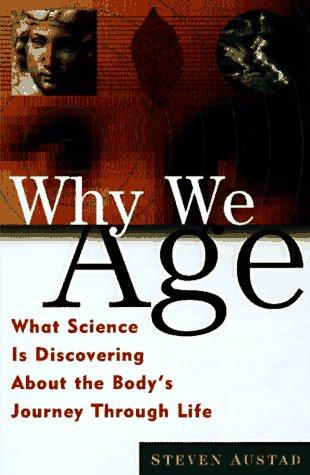
- "Why We Age" by David Sinclair: Offers a deeper dive into the genetics and epigenetics of aging (specifically NAD+ and sirtuins) that complements Steele’s systemic approach.
If you remember only three things
- Aging is a process of cellular decay—specifically inflammation, mitochondrial failure, and senescent cells—that can be managed by proactive maintenance.
- Muscle is an endocrine organ: Maintaining muscle mass is non-negotiable for metabolic health and independence as you age.
- Metabolic Flexibility is key: Your ability to switch between fuel sources and maintain mitochondrial integrity is the engine of your longevity.
Internalize it
-
Reflection questions
- If I viewed my body as a piece of high-performance machinery rather than a "given," what maintenance tasks would I prioritize today?
- How much of my current fatigue is due to poor mitochondrial function or lack of metabolic flexibility?
- Am I treating the symptoms of aging (like joint pain or low energy) without addressing the underlying inflammatory "fire"?
-
Flashcards Q: What are "senescent cells" and why are they problematic? A: They are "zombie" cells that stop dividing but refuse to die, secreting pro-inflammatory chemicals that damage surrounding tissue.
Q: What is the difference between acute inflammation and "inflammaging"? A: Acute inflammation is a response to injury; inflammaging is chronic, low-grade systemic inflammation that accelerates aging.
Q: Why is muscle mass considered an endocrine organ? A: Because muscle produces myokines and acts as a metabolic sink for glucose, directly influencing systemic health.
Q: What does "metabolic flexibility" mean in the context of longevity? A: The body's ability to efficiently switch between burning carbohydrates and fats for fuel, which preserves mitochondrial health.
Q: What is the primary goal of Zone 2 training? A: To improve mitochondrial density and aerobic capacity without overtaxing the central nervous system.
Fidelity note
This summary captures the core pillars of Andrew Steele's Ageless—specifically his focus on the "Hallmarks of Aging," inflammaging, and the metabolic importance of muscle. I am confident in the biological mechanisms described (senescence, mitochondrial dysfunction). However, because specific workout percentages or exact meal timings can vary based on individual fitness levels, readers should consult a professional for personalized programming. The distinction between "Medicine 2.0" (reactive) and "Medicine 3.0" (proactive) is a core conceptual framework in the book that I have synthesized into the "Reactive vs. Proactive" section.