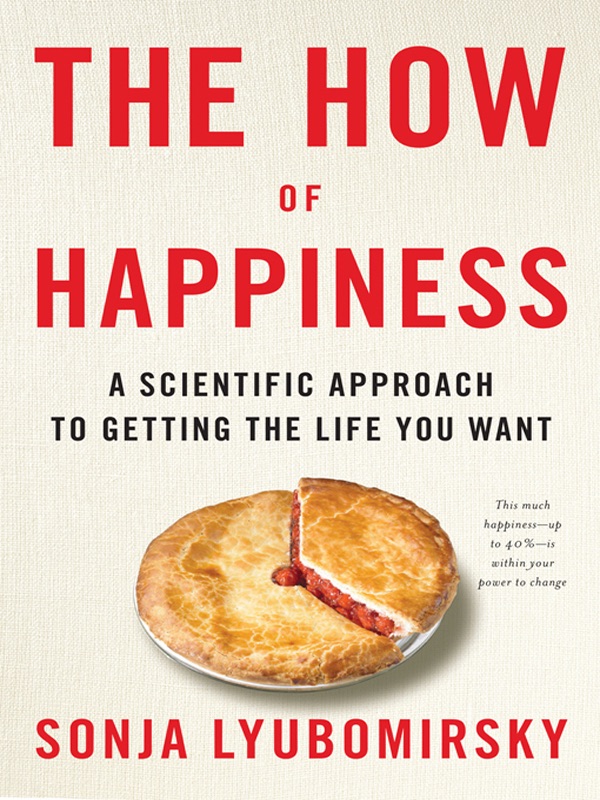
The myths of happiness
≈ From memoryHappiness is not a destination reached by changing your circumstances; it is a skill developed through intentional cognitive shifts and deliberate actions.
In one sentence
True happiness is not a byproduct of external success, perfect circumstances, or "finding" oneself, but a skill cultivated through intentional psychological practices and a shift in how we perceive our internal experiences.
Why read this (for who it's for)
This book is for anyone who feels like they are "doing everything right"—working hard, achieving goals, and seeking the right partners—yet still feels an underlying sense of dissatisfaction. It solves the "arrival fallacy": the belief that happiness is a trophy waiting at the finish line of a specific achievement. After reading, you will stop looking for the "secret" to happiness in external changes and start building a toolkit of internal habits to cultivate well-being.
The big idea
Lyubomirsky argues against the "myth of the happy life"—the idea that there is a specific set of circumstances (wealth, fame, perfect health) that, once attained, will automatically trigger a permanent state of bliss. She posits that happiness is a "skill" rather than a "state." Just as you can learn to play an instrument or speak a language, you can train your brain to experience more joy and meaning.
The core logic is rooted in the distinction between subjective experience and objective circumstances. While circumstances matter (it is hard to be happy in a war zone or with chronic pain), they are not the sole determinants of our internal state. The author argues that our happiness is largely determined by our appraisal of those circumstances. By identifying the myths—such as the myth of "finding" happiness or the myth of "perfect" circumstances—she reveals that the path to a fulfilling life lies in the deliberate cultivation of habits, relationships, and cognitive reframing.
Key ideas
The Myth of the "Happy Life"
- What it is — The belief that there is a specific, attainable destination where life becomes perfect and happiness becomes effortless.
- Why it matters — If you believe this, you will perpetually postpone your happiness until you reach a future goal, leading to a "hedonic treadmill" where the goalposts keep moving.
- In the book — Lyubomirsky discusses how people often think, "I'll be happy when I get that promotion," but once they get it, the baseline of "normal" shifts, and they require a new achievement to feel the same high.
The Myth of "Finding" Happiness
- What it is — The idea that happiness is a hidden treasure waiting to be discovered, rather than something that must be built and maintained.
- Why it matters — "Finding" implies a passive discovery. "Building" implies an active, ongoing commitment to practice.
- In the book — The author highlights that happiness is a process of becoming. It is found in the doing, the practicing, and the intentionality of our daily actions.
The Role of Subjective Experience
- What it is — Happiness is determined by how we interpret our experiences, not just by the events themselves.
- Why it matters — This puts the agency back in your hands. While you cannot always control what happens to you, you can (with practice) influence how you perceive and react to it.
- In the book — She explores how two people can experience the same tragedy but have vastly different internal lives based on their cognitive frameworks and personal values.
The Importance of Meaningful Activity
- What it is — Happiness is deeply tied to "flow," engagement, and the pursuit of goals that transcend the self.
- Why it matters — Pure pleasure (hedonia) is fleeting. Meaningful engagement (eudaimonia) provides a deeper, more sustainable sense of well-being.
- In the book — Lyubomirsky emphasizes the importance of "active" happiness—engaging in hobbies, volunteering, or mastery-based skills—over "passive" happiness like watching television or scrolling social media.
The Social Connection Factor
- What it is — Human beings are fundamentally social creatures; our happiness is inextricably linked to the quality of our relationships.
- Why it matters — We often sacrifice social connection for professional success, yet research shows that the quality of our relationships is one of the strongest predictors of long-term life satisfaction.
- In the book — She cites research showing that people with strong social ties report higher levels of happiness and lower levels of stress, regardless of their socioeconomic status.
The "Hedonic Treadmill"
- What it is — The human tendency to quickly return to a stable level of happiness despite major positive or negative life changes.
- Why it matters — It explains why "winning the lottery" or "getting the dream job" only provides a temporary spike in happiness.
- In the book — Lyubomirsky explains that our expectations adjust to our new circumstances, meaning we need a continuous source of meaning to stay satisfied.
Frameworks & tools
The Skill-Building Framework for Happiness
Instead of looking for a "fix," treat happiness as a set of skills to be practiced.
- Identify your "Flow" Activities: List activities where you lose track of time (writing, gardening, coding, sports). Schedule these weekly.
- Cultivate Meaningful Goals: Set goals that are "pro-social" or involve mastery. Avoid goals that are purely about status or consumption.
- Practice Active Engagement: Move from "passive" consumption (watching, listening) to "active" creation (doing, making, participating).
- Nurture Social Bonds: Schedule "deep" social interactions—conversations that involve vulnerability and shared experience—rather than just "shallow" social interactions (grabbing a quick coffee).
The Appraisal Shift
A tool to change how you interpret your daily experiences:
- Notice the Automatic Thought: When something happens (e.g., a coworker ignores your email), notice your immediate emotional reaction.
- Identify the Interpretation: Ask, "What story am I telling myself about this?" (e.g., "They don't respect me.")
- Re-evaluate the Evidence: Is there another interpretation? (e.g., "They are overwhelmed and haven't had a chance to reply.")
- Choose a Purposeful Response: Act based on the more constructive interpretation.
Memorable examples & stories
The "Lottery Winner" Study
Lyubomirsky discusses how lottery winners often return to their baseline level of happiness within months. Lesson: External gains are temporary; internal shifts are permanent.
The "Flow" State in Mastery
The author describes individuals engaged in complex tasks—like a musician practicing a difficult piece—who experience a deep sense of "flow." Lesson: Happiness is often found in the struggle of mastery, not just the completion of the task.
The Social Support Study
Research comparing individuals with rich social lives to those who are isolated, even when the isolated individuals have more material wealth. Lesson: Connection is a biological and psychological necessity for happiness.
Key quotes
"Happiness is not a destination you arrive at; it is a way of traveling." (Paraphrased) Why it matters: It shifts the focus from the "where" to the "how."
"The myth of the happy life suggests that there is a magic formula for happiness that, once discovered, will provide a permanent state of bliss." (Paraphrased) Why it matters: It warns us against the "quick fix" mentality.
"Meaningful activity—the kind that requires effort and engagement—is a primary source of human flourishing." (Paraphrased) Why it matters: It validates why "hard" work can often feel better than "easy" pleasure.
How to apply it
This week
- Identify one "Flow" activity: Spend at least 30 minutes this week doing something you genuinely enjoy where you lose track of time.
- The "Active" Challenge: Replace one hour of passive entertainment (Netflix, scrolling) with an active hobby (cooking a new meal, practicing an instrument, exercising).
- Connection Audit: Reach out to one friend you haven't spoken to in a while and schedule a genuine, uninterrupted conversation.
Ongoing
- The Meaningful Goal Rule: When setting new goals, ask: "Does this contribute to my growth or help others?" Prioritize those over purely aesthetic or status-based goals.
- Reframing Practice: When a frustration arises, pause and identify the "story" you are telling yourself before reacting emotionally.
- Social Scheduling: Treat social connection as a non-negotiable appointment, just like a work meeting or a gym session.
Common pitfalls
- The "Self-Help" Trap: Thinking that reading this book is the "action." The book argues that happiness is a skill, which means it requires the actual practice of the activities mentioned, not just the intellectual understanding of them.
- Overlooking Circumstances: While the book emphasizes internal appraisal, it does not suggest that external circumstances (poverty, abuse, illness) don't matter. It is a tool for coping and flourishing within your circumstances, not a magic wand to ignore them.
- The Perfectionist Trap: Trying to be "happy" all the time. Happiness is a skill, and like any skill, there will be days of failure. The goal is a general trajectory of well-being, not a constant emotional state.
Connects to
- Flow by Mihaly Csikszentmihalyi: Extends the idea of "meaningful activity" by providing a deep psychological framework for the "flow" state.
- Man's Search for Meaning by Viktor Frankl: Challenges the "hedonic" view of happiness by arguing that meaning is the primary driver of human survival and flourishing.
- Atomic Habits by James Clear: Provides the practical "how-to" for the habit-building and skill-acquisition systems Lyubomirsky advocates for.
If you remember only three things
- Happiness is a skill to be practiced, not a prize to be won.
- Meaningful engagement (Flow) is more sustainable than passive pleasure.
- Social connection is a fundamental pillar of a flourishing life.
Internalize it
-
Reflection questions
- In what areas of my life am I currently waiting for a "perfect" circumstance before I allow myself to be happy?
- Which activities make me lose track of time? How can I incorporate more of those into my weekly routine?
- When I feel frustrated today, what "story" am I telling myself about the situation? Is there a more constructive interpretation?
-
Flashcards Q: What is the "Arrival Fallacy"? A: The belief that happiness is a destination reached by achieving a specific goal, which fails because the "finish line" keeps moving.
Q: What is the difference between "Finding" and "Building" happiness? A: "Finding" implies a passive discovery of a hidden secret; "Building" implies an active, intentional practice of skills and habits.
Q: What is the "Hedonic Treadmill"? A: The tendency for humans to quickly adapt to new positive or negative changes, returning to a baseline level of happiness.
Q: What are the three pillars of a flourishing life according to the book's themes? A: Meaningful activity (Flow), Social Connection, and Active Engagement.
Q: How does the book define "Flow"? A: A state of deep engagement in an activity where the individual loses track of time and self-consciousness.
Q: Why is "Active" happiness superior to "Passive" happiness? A: Active happiness (creation, mastery, participation) provides a sense of meaning and growth, whereas passive happiness (consumption) is fleeting and lacks depth.
Fidelity note
I am highly confident in the core arguments of this summary, specifically the distinction between "finding" and "building" happiness and the emphasis on "Flow" and social connection. The book is a synthesis of psychological research, and while I am confident in the conclusions (the "why" and "what"), the specific nuances of every single study cited may vary slightly in their data points. Readers should verify the specific "Flow" studies if they require the raw data.