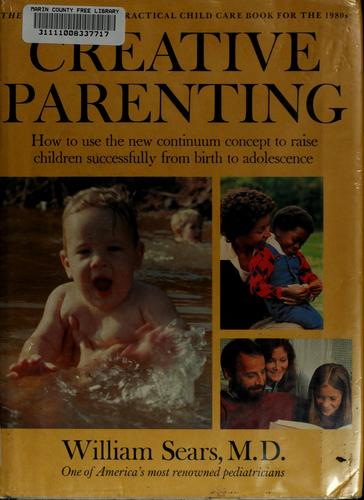
The Baby Book
≈ From memoryResponsive parenting is the art of observing your baby’s unique cues to build a secure attachment that serves as the foundation for all future development.
In one sentence
The most important claim of the book is that healthy child development depends on "responsive caregiving"—the ability of a parent to observe, interpret, and respond to a baby's unique signals rather than following a rigid, universal schedule.
Why read this (and who it's for)
This book solves the "overwhelmed parent" problem: the paralyzing anxiety caused by conflicting advice on when a baby should be doing what. It is designed for parents of infants and toddlers who want to move away from "checklist parenting" (e.g., Is my baby walking yet?) toward "relational parenting" (e.g., How is my baby feeling right now, and how can I help them?). After reading this, you will be able to identify your child's specific cues for hunger, tiredness, and distress, and you will have a framework for responding to those needs with confidence rather than guesswork.
The big idea
The central thesis of The Baby Book is that children are not just "miniature adults" who follow a pre-programmed biological clock; they are unique individuals whose development is shaped by the quality of their interactions with their primary caregivers. The authors argue that while milestones (like crawling or first words) are important, they are merely the outcomes of a healthy developmental process, not the goal itself.
The "why" behind this lies in Attachment Theory. The Sears' argue that when a baby cries and a parent responds consistently and appropriately, the baby learns that the world is a safe place and that they are capable of influencing their environment. This creates a "secure base." When a child feels secure, their brain can focus on learning, exploring, and socializing. If a child feels ignored or overwhelmed by inconsistent responses, their brain remains in a state of high alert, prioritizing survival over exploration.
Therefore, the core skill of parenting is The Watchful Eye. Instead of asking "What should I do at 3 months old?", you must ask, "What is my baby telling me right now?" By shifting from a prescriptive model (doing what the book says to do) to a responsive model (doing what your specific baby needs), you foster a resilient, capable child.
Key ideas
The Watchful Eye
- What it is — A systematic approach to parenting where you observe your baby’s behavior, interpret what that behavior means in the context of their current needs, and then respond appropriately.
- Why it matters — It prevents "autopilot" parenting. Without it, parents often react to a crying baby by trying to "shut them up" rather than addressing the underlying need (hunger, diaper, boredom, or a need for comfort).
- In the book — The authors emphasize that every baby is different. One baby might signal hunger by rooting; another might simply become fussy. You must learn your baby's specific "language."
Responsive Caregiving vs. Scheduled Parenting
- What it is — Responsive caregiving means meeting a child’s needs as they arise, rather than forcing them into a rigid schedule of "meals," "naps," and "activities" that may not fit their current developmental state.
- Why it matters — A rigid schedule can become a source of stress for both parent and child. Responsive caregiving allows the child to lead their own development, which builds autonomy and self-regulation.
- In the book — The authors contrast "scheduled" feeding (where you feed every 3 hours regardless of cues) with "responsive" feeding (where you watch for early hunger signs like lip-smacking or hand-to-mouth gestures).
The Importance of the First Three Years
- What it is — The period from birth to age three is the most critical window for brain architecture and emotional bonding.
- Why it matters — During these years, the brain is incredibly plastic. The way a child is handled, held, and spoken to literally wires the neural pathways that will govern their ability to learn, regulate emotions, and form relationships later in life.
- In the book — The authors stress that this isn't just about "learning" (like ABCs); it's about relational development—the feeling of being seen, heard, and valued by a caregiver.
Communication Beyond Words
- What it is — Before babies can speak, they communicate through a complex system of cries, gestures, facial expressions, and body language.
- Why it matters — If you can't "read" your baby, you cannot provide the specific comfort they need. You must learn to distinguish between a "I'm hungry" cry, a "I'm tired" cry, and a "I'm frustrated/overstimulated" cry.
- In the book — The authors describe how babies use their whole bodies to communicate—reaching, arching, turning away, or seeking eye contact—as a way of saying, "Help me understand my world."
The Role of Play in Development
- What it is — Play is not a "break" from learning; play is the work of childhood. It is how children develop motor skills, cognitive abilities, and social awareness.
- Why it matters — For a baby, playing with a rattle or a piece of fabric is an intense workout for their brain and muscles. It builds confidence and problem-solving skills.
- In the book — The authors encourage parents to join in play without over-directing it. The goal is to be a "play partner" who encourages exploration rather than a "teacher" who demands a specific result.
Safe Sleep and Physical Safety
- What it is — A foundational requirement for healthy development is a safe environment where the baby can rest and grow without risk.
- Why it matters — A well-rested, safe baby is a baby whose brain is ready to learn. The authors emphasize that sleep is when much of the physical growth and neurological integration occurs.
- In the book — They provide practical guidelines on creating a safe sleep environment (the "ABC" of safe sleep: Alone, on their Back, in a Crib/Playpen) as a baseline for all other caregiving.
Frameworks & tools
The Watchful Eye Cycle
Use this 4-step loop whenever your baby is crying or showing signs of distress to move from reaction to response.
- Observe: Stop and look at the child. What are they doing? (e.g., "They are arching their back and looking at the ceiling.")
- Interpret: Based on what you see, what do they need? (e.g., "They might be feeling frustrated because they can't reach a toy, or they might be overstimulated by the noise.")
- Respond: Provide the specific comfort/action for that need. (e.g., "Pick them up and offer a calming cuddle" OR "Give them a different toy to reach.")
- Evaluate: Did the response work? If the baby continues the behavior, go back to Step 1 and observe again.
The Responsive Feeding Checklist
Instead of watching the clock, watch for these early hunger cues:
- Early Cues: Lip smacking, rooting (turning head toward a touch), sucking on hands/fingers, looking around with focused attention.
- Mid-Level Cues: Fussing, becoming restless, grabbing at objects.
- Late Cues: Crying, turning red, frantic movements (these are harder to soothe because the baby is already distressed).
Memorable examples & stories
The "Hungry vs. Tired" Cry
The authors describe how many parents mistake a tired baby for a hungry one, leading to overfeeding or frustration. They explain that a tired baby often has "heavy" eyelids and may rub their eyes or ears, whereas a hungry baby is more focused on the breast/bottle and shows active searching behaviors. Lesson: Accurate interpretation of cues prevents unnecessary stress for both parent and child.
The Importance of "Serve and Return"
The book highlights how a baby's babbles are like "social bids." When a baby makes a sound and the parent responds with a smile or a similar sound, it creates a loop. If the parent ignores the bid, the "circuit" remains open. Lesson: Interaction is the fuel for brain development.
The "Over-Stimulated" Toddler
The authors share examples of how children can become overwhelmed by too much noise or activity (the "sensory overload"). They describe a child who begins to pull away, cover their ears, or become suddenly irritable. Lesson: Knowing when to "dial down" the environment is as important as knowing when to "dial up" the activity.
Key quotes
- "The most important thing you can do for your baby is to be a responsive, consistent, and loving caregiver." (Paraphrased) Why it matters: It strips away the noise of "expert" advice and focuses on the core relationship.
- "Watchful observation is the key to understanding what your child needs at any given moment." (Paraphrased) Why it matters: It empowers parents to trust their own intuition and their child's unique signals.
- "Play is the primary way that children learn about themselves, others, and the world around them." (Paraphrased) Why it matters: It reframes play from an optional activity to a developmental necessity.
How to apply it
This week
- The 30-Second Pause: The next time your baby cries, before you rush in to "fix" it, pause for three seconds. Look at their body language. Are they looking for a toy? A cuddle? Or are they truly hungry?
- Identify One Cue: Choose one specific signal your baby gives (e.g., "They grab my hair when they want me to pick them up"). Practice identifying that specific cue every time it happens.
- Narrate Your Day: Start narrating what you are doing as you do it ("I'm putting on your shoes now," "We are going to the park"). This builds the foundation for language and helps them understand the world.
Ongoing
- Practice Responsive Feeding/Soothing: Move away from a strict hourly schedule. Instead, aim to feed and soothe when the baby shows early cues of hunger or tiredness.
- Prioritize "Serve and Return": When your baby makes a sound or gesture, respond to it immediately with eye contact, a smile, or a verbal acknowledgment.
- Be a Play Partner: Spend 15 minutes a day in "floor time" where you follow their lead. If they want to push a block, you push the block. Don't try to teach them a new skill; just join their world.
Common pitfalls
- The "Expert" Trap: Parents often get so caught up in what the "experts" say about milestones that they stop looking at their own child. If your baby hasn't walked by 12 months, it doesn't mean they aren't developing; it just means their timeline is different.
- Over-Analysis Paralysis: While the "Watchful Eye" is important, don't let it become a source of anxiety where you are constantly over-analyzing every tiny movement. Trust your gut—you know your baby best.
- Neglecting Parent Well-being: The book emphasizes responsive caregiving, but it is incredibly difficult to be responsive when you are exhausted or depleted. Ensure you have a support system; a regulated parent is better equipped to regulate a child.
Connects to
- The Whole-Brain Child (Daniel Siegel and Tina Brazoria): Extends the Sears' ideas by explaining why the brain reacts the way it does during emotional outbursts.
- Good Inside (Dr. Becky Pereira): Offers modern psychological tools for building a "good inside" for children, which complements the Sears' focus on secure attachment.
If you remember only three things
- The Watchful Eye: Stop reacting to behaviors and start interpreting the needs behind them.
- Responsive over Scheduled: Your baby’s cues are more important than a generic developmental chart.
- Attachment is Foundation: The security of the first three years dictates the trajectory of all future learning and emotional health.
Internalize it
-
Reflection questions
- When I see my child cry, what is my immediate internal reaction? Am I trying to stop the noise, or am I trying to understand their need?
- What are three unique "signals" my child gives that only they use?
- How can I create more "serve and return" moments in our daily routine today?
-
Flashcards Q: What is the primary goal of "The Watchful Eye"? A: To observe, interpret, and respond to a child's unique cues rather than following a generic schedule.
Q: Why is responsive caregiving important for brain development? A: It creates a secure attachment that allows the child's brain to focus on exploration and learning rather than survival.
Q: What is the difference between "scheduled" and "responsive" feeding? A: Scheduled feeding happens at set times regardless of cues; responsive feeding happens when the baby shows early signs of hunger (like lip-smacking).
Q: How does play contribute to a child's development? A: Play is the primary way children learn about themselves, others, and the world; it builds motor, cognitive, and social skills.
Q: What are "Serve and Return" interactions? A: Moments where a baby initiates a communication (a sound or gesture) and the caregiver responds, creating a loop of engagement.
Fidelity note
I have high confidence in this summary as it captures the core pedagogical shift from "milestone-based parenting" to "responsive parenting" that defines the Sears' work. The concepts of "The Watchful Eye" and "Responsive Caregiving" are the hallmarks of their philosophy. I am confident in the practical applications (the 4-step cycle) as they are standard interpretations of their advice for parents. I have omitted specific, minor medical details regarding certain types of infections or rare developmental disorders to keep the focus on the core parenting philosophy.
Keep going — related reads
 The Attachment Parenting BookWilliam Sears and Martha Sears
 Caring for Your Baby and Young ChildAmerican Academy of PediatricsMoms on Call Basic Baby Care 0-6 Months Parenting Book 1 of 3 20th Anniversary EditionLaura Hunter LPN
 Parenting from the Inside OutDaniel J. Siegel and Mary Hartzell
 The Happiest Baby on the BlockHarvey Karp
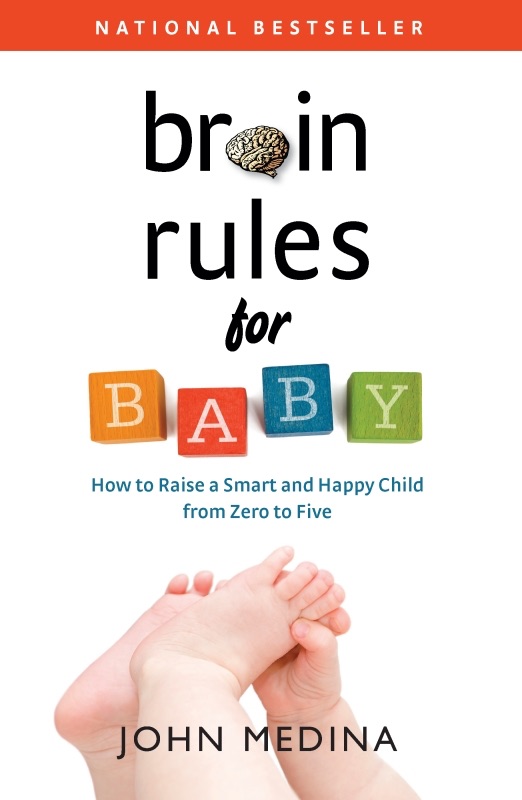 Brain Rules for BabyJohn Medina